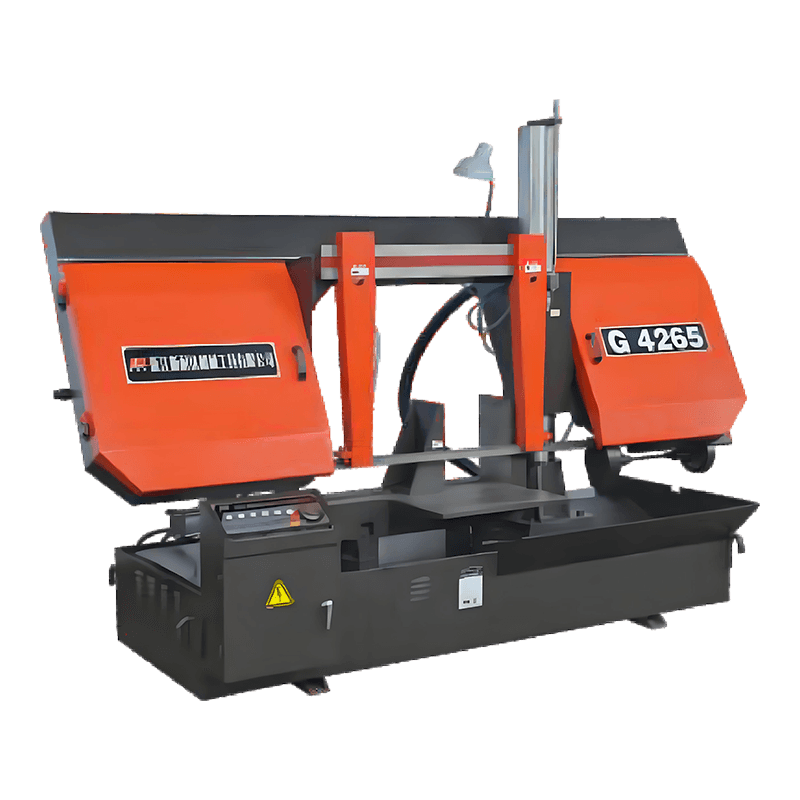
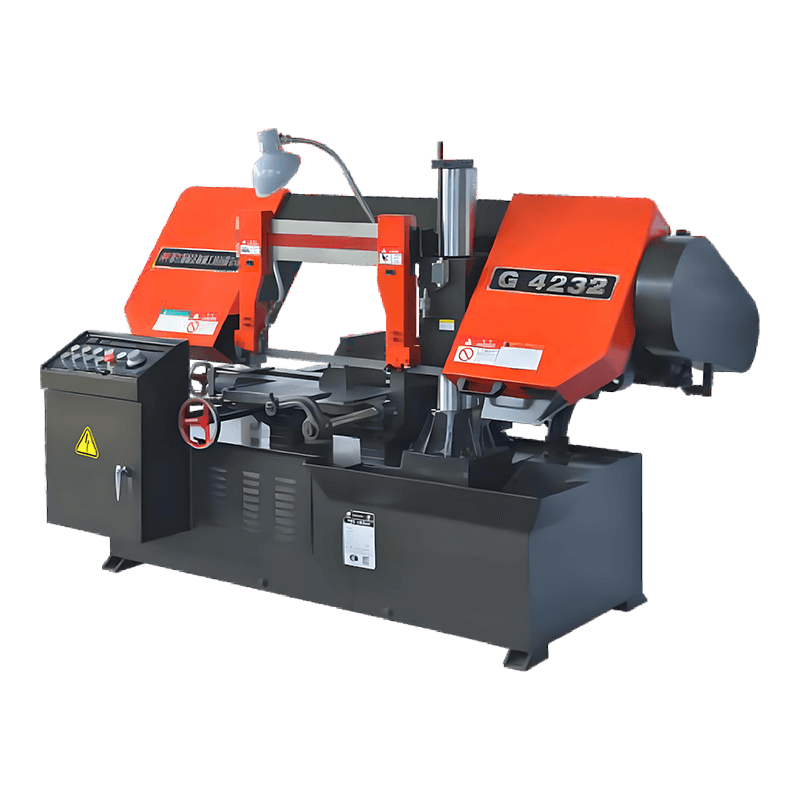
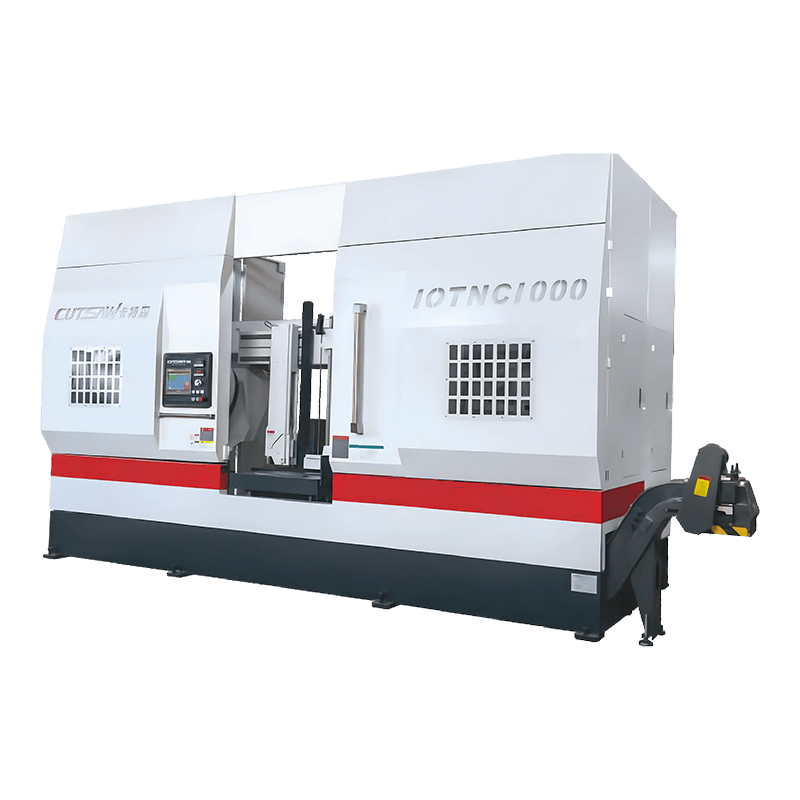
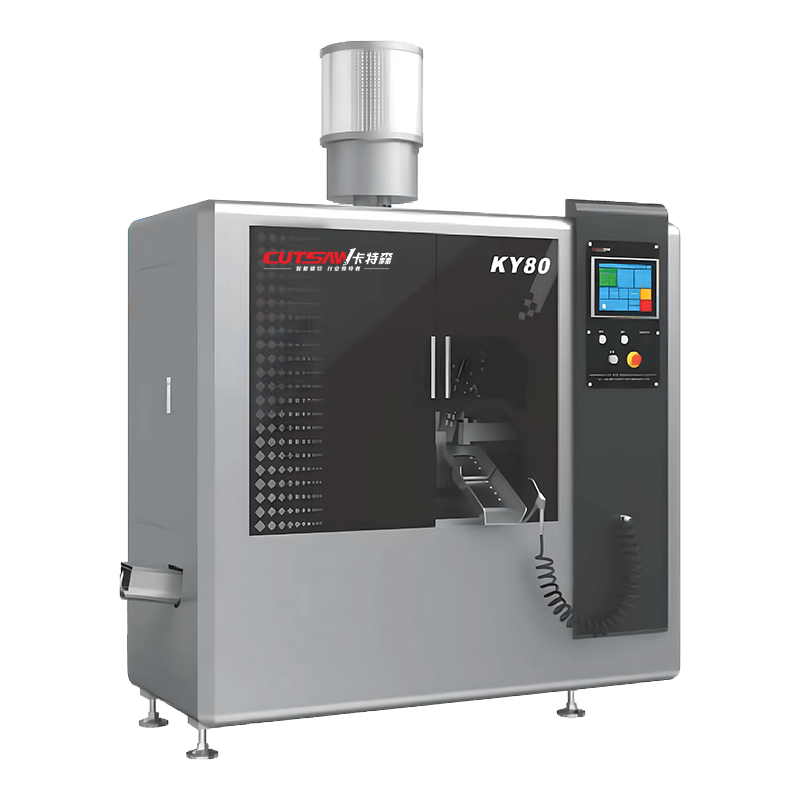
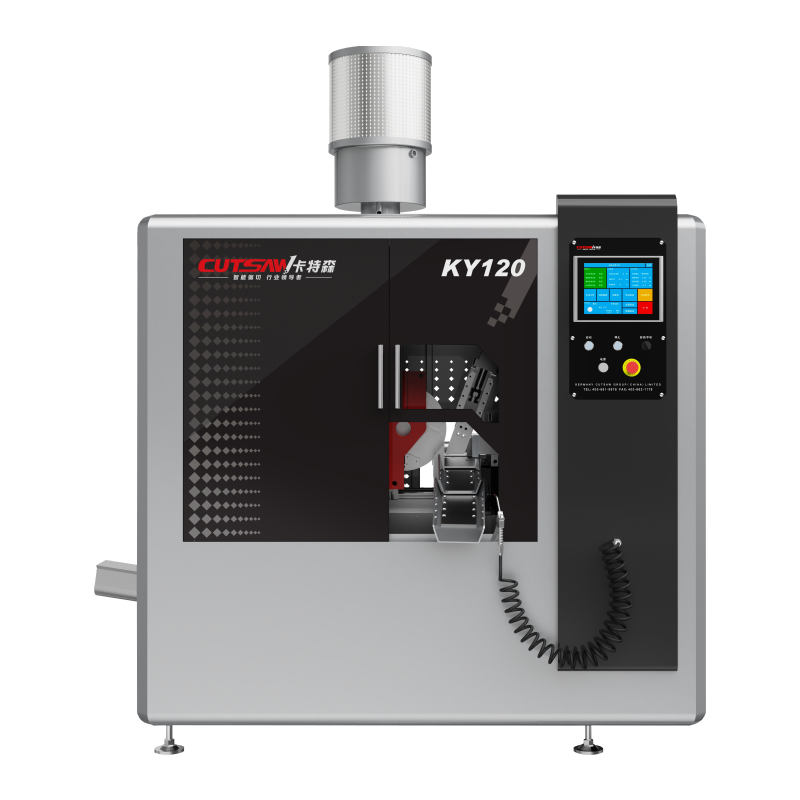
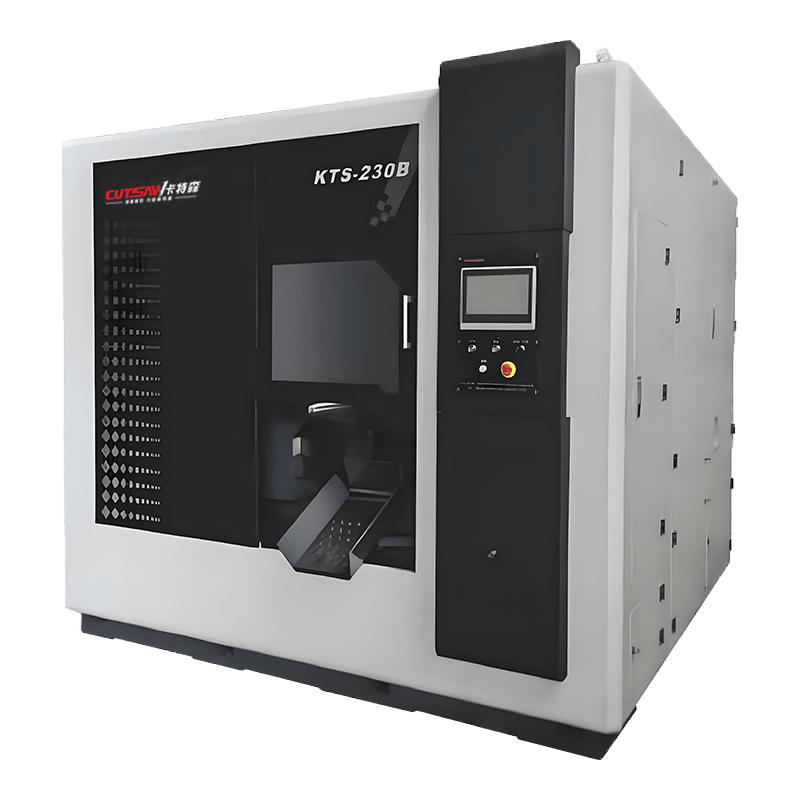
Structural Advantages of the Double Column Sawing Machine
The material composition of the
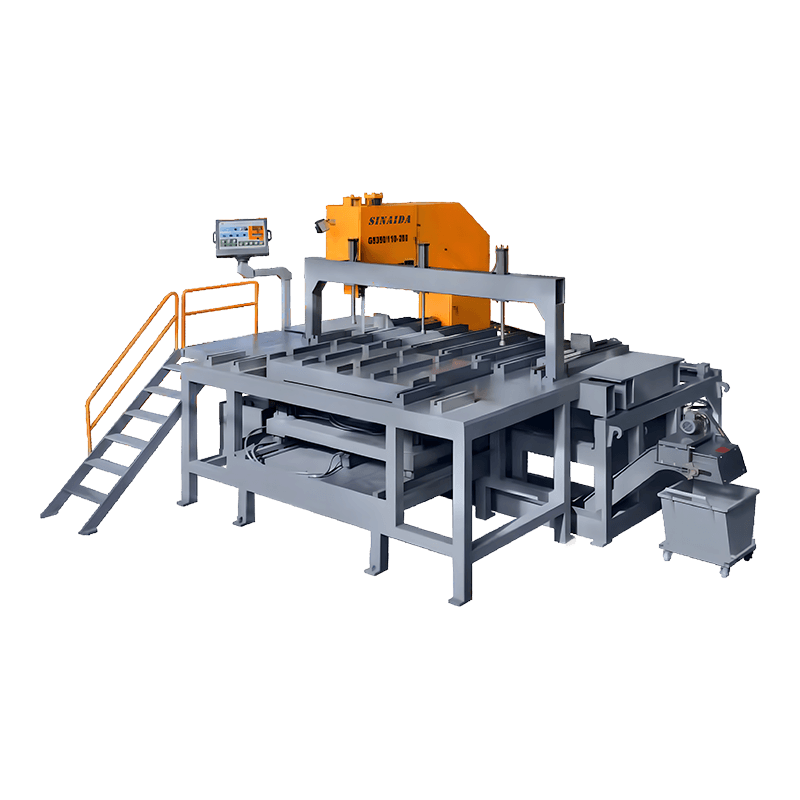
double column sawing machine significantly affects its rigidity, vibration resistance, and long-term durability. The columns and base frames are typically constructed from high-strength steel alloys selected for mechanical stability, fatigue resistance, and minimal thermal expansion. These materials provide the foundation for precise cutting, supporting the weight of large workpieces while maintaining alignment during prolonged operation. Our choice of alloys ensures that the structure absorbs dynamic stress without permanent deformation, contributing to consistent precision across repetitive cycles. At Zhejiang SINAIDA Machine Tools Co., Ltd., we employ advanced metallurgical processes, including quenching, tempering, and stress-relieving techniques, to enhance structural integrity and prevent micro-fractures within the steel. This ensures that our machines can handle heavy-duty cutting tasks, including aerospace-grade components, without losing accuracy or reliability.
In addition to structural strength, the selected alloys improve vibration damping. High-strength steel, when combined with reinforced cross-beams and vibration-absorbing inserts, reduces oscillations transmitted from the cutting blade to the frame. This stabilizes our cutting process, minimizing the risk of material deformation and extending blade life. SINAIDA’s metallurgical strategy also considers thermal expansion, using materials with low coefficients of thermal growth to prevent alignment shifts during extended operations. The result is a double column sawing machine capable of maintaining cutting precision over long production runs while handling high-density metals and non-ferrous alloys.
SINAIDA incorporates surface hardening treatments in critical areas, such as guide rails and column interfaces. This treatment enhances wear resistance and reduces maintenance requirements, allowing our machines to sustain performance in industrial environments with heavy usage. Every structural component undergoes rigorous quality control and testing to ensure compliance with ISO9001 standards, China Machinery Safety Certification, and EU CE certification, confirming that our material choices meet both mechanical and safety performance standards. The careful integration of metallurgical science into the structural design demonstrates SINAIDA’s commitment to delivering machines with high stability, precision, and durability for diverse industrial applications.
Finite Element Analysis (FEA) is an essential tool used in designing double column sawing machines, allowing us to simulate mechanical stress, strain distribution, and potential deformation under dynamic cutting conditions. This process identifies high-stress zones and areas susceptible to vibration, enabling us to reinforce structural components while optimizing weight and material usage. At Zhejiang SINAIDA Machine Tools Co., Ltd., FEA plays a critical role in column design, guiding our engineers to produce structures capable of supporting heavy workpieces without compromising precision. By modeling operational scenarios, we can predict the behavior of our machines under extreme loads, ensuring that our dual-column design maintains alignment and rigidity throughout cutting cycles.
The dual-column framework benefits from FEA by achieving uniform load distribution. Each column and base assembly is designed to bear symmetrical stress, preventing bending or torsion that could reduce accuracy. SINAIDA applies this technology to refine crossbeam placement, column spacing, and base rigidity, resulting in machines that maintain dimensional tolerances across repeated operations. FEA also supports vibration analysis, allowing us to implement damping measures precisely where they are most effective. By anticipating potential vibrational hotspots, our engineers can integrate reinforced structures or damping materials to reduce oscillation and enhance the stability of the cutting head.
FEA further contributes to optimizing the mass-to-strength ratio of the machine. Excessive material increases inertia and energy consumption, while insufficient reinforcement risks deformation. SINAIDA leverages simulation data to balance these factors, producing machines that are both structurally robust and operationally efficient. This analytical approach ensures that every double column sawing machine achieves a high level of reliability and performance for industrial applications, from aerospace and automotive to heavy metal fabrication. The use of FEA demonstrates SINAIDA’s integration of modern engineering tools into design, providing machines with enhanced structural advantages, minimized wear, and prolonged operational lifespan.
Vibration control is critical for maintaining cutting precision and blade integrity in double column sawing machines. The dual-column configuration inherently provides a stable platform, yet additional vibration damping mechanisms significantly improve operational performance. At Zhejiang SINAIDA Machine Tools Co., Ltd., we integrate multiple layers of damping solutions into the machine structure, including viscoelastic inserts, reinforced cross-beams, and strategically positioned shock-absorbing mounts. These components disperse oscillatory energy generated during cutting, reducing transmission to the frame and workpiece. By stabilizing the cutting environment, SINAIDA machines achieve superior surface finishes and maintain consistent dimensional accuracy.
Vibration damping is closely integrated with other machine components. High-precision linear guides, ball screws, and servo-driven cutting heads benefit from the reduced oscillatory load, allowing us to maintain smooth, controlled movement without backlash or misalignment. SINAIDA’s design ensures that the combination of mechanical rigidity and damping reduces the wear rate of both the blade and structural components, lowering operational costs and extending machine lifespan. Industrial environments often require continuous cutting of metals with varying hardness, which produces fluctuating vibration patterns. The multi-layer damping design absorbs these variations, allowing us to sustain production quality without compromising precision.
Vibration reduction contributes to operator comfort and safety. By minimizing noise and resonance transmitted through the machine, SINAIDA creates a work environment conducive to long-term operation with reduced fatigue. Our machines maintain cutting consistency over high-volume production cycles, making them suitable for aerospace, automotive, and large-scale steel fabrication. The integration of vibration damping into the double column design illustrates how SINAIDA combines structural engineering and operational optimization to enhance cutting precision, durability, and reliability for industrial applications.
Thermal expansion is an unavoidable factor in high-precision sawing operations, particularly when cutting metals at high speeds over prolonged periods. Even minimal temperature variations can cause columns, crossbeams, and cutting heads to expand, resulting in misalignment that compromises cutting accuracy. The double column sawing machine addresses this issue through a combination of material selection, structural design, and thermal compensation strategies. At Zhejiang SINAIDA Machine Tools Co., Ltd., we employ low-expansion steel alloys and reinforced crossbeam structures to minimize dimensional changes under operational heat loads. The dual-column framework distributes heat more evenly, reducing localized expansion and maintaining the precise relationship between the blade and the workpiece.
In addition to material optimization, SINAIDA integrates thermal compensation mechanisms within the machine design. Critical components, including servo-driven cutting heads and hydraulic actuators, are mounted with tolerance allowances that account for predictable thermal growth. This ensures that as our machines operate continuously, alignment remains stable, preserving dimensional accuracy across multiple cutting cycles. For large-scale industrial operations, such as aerospace or heavy steel fabrication, this capability ensures that high-precision requirements are consistently met, even during extended production runs.
Cooling and lubrication systems further enhance thermal management. SINAIDA’s double column sawing machines utilize strategically placed coolant channels to dissipate heat at contact points between the blade and workpiece, preventing excessive thermal loading. Continuous lubrication reduces friction, maintaining stable temperatures along critical moving components. The combination of material selection, structural design, and cooling strategies provides a robust thermal management system that maintains cutting precision, reduces blade wear, and enhances the overall efficiency of the production process.
Thermal expansion management is also tied to operator safety and operational consistency. By minimizing the risk of structural distortion, SINAIDA ensures that feed mechanisms and workpiece clamps operate reliably without unexpected shifts. ISO9001-certified quality control verifies the effectiveness of these design features, demonstrating that SINAIDA double column sawing machines combine thermal stability with structural precision, making them highly suitable for demanding industrial applications where consistent dimensional accuracy is essential.
Hydraulic and CNC systems are integral to the functionality of modern double column sawing machines, providing precise control over feed rates, blade tension, and cutting paths. The dual-column structure creates a mechanically stable platform, allowing hydraulic actuators and servo-driven CNC systems to operate without inducing deflection or misalignment. At Zhejiang SINAIDA Machine Tools Co., Ltd., we integrate advanced hydraulic clamping mechanisms that maintain uniform pressure across the workpiece, preventing movement during cutting. This ensures that every cut achieves the desired tolerance and surface finish.
Servo-controlled CNC systems complement the structural advantages of the columns by enabling precise control over blade speed, feed rate, and cutting trajectory. The rigidity provided by the dual-column design minimizes backlash in the feed mechanisms and supports high-speed, high-precision movements without compromising stability. SINAIDA engineers design each machine to allow real-time adjustments to cutting parameters, enabling adaptation to different material types, thicknesses, and shapes. This flexibility ensures optimal efficiency and precision across a wide range of industrial applications, including aerospace components, aluminum extrusions, and structural steel sections.
Hydraulic integration also benefits from the dual-column architecture by allowing larger cylinders and actuators to be installed without destabilizing the machine frame. This capacity supports automated blade tensioning, workpiece clamping, and material feeding systems, reducing operator intervention and improving throughput. SINAIDA’s design emphasizes the synchronization of hydraulic and CNC systems with structural rigidity, ensuring that the machine maintains consistent performance under dynamic loads. The result is a reliable, high-precision cutting solution capable of delivering repeatable results in high-volume production environments. In addition to performance benefits, hydraulic and CNC integration contributes to operational safety. SINAIDA double column sawing machines include emergency stop mechanisms, overload protection, and automated fault detection systems, all supported by the stable dual-column framework. These features prevent operational errors, minimize risk of material damage, and extend the service life of both the machine and cutting tools. The combination of hydraulic precision, CNC control, and structural stability makes SINAIDA double column sawing machines a preferred choice for industrial manufacturers seeking consistent cutting quality and long-term reliability.

 English
 русский
 简体中文
简体中文