English
 русский
 简体中文
简体中文


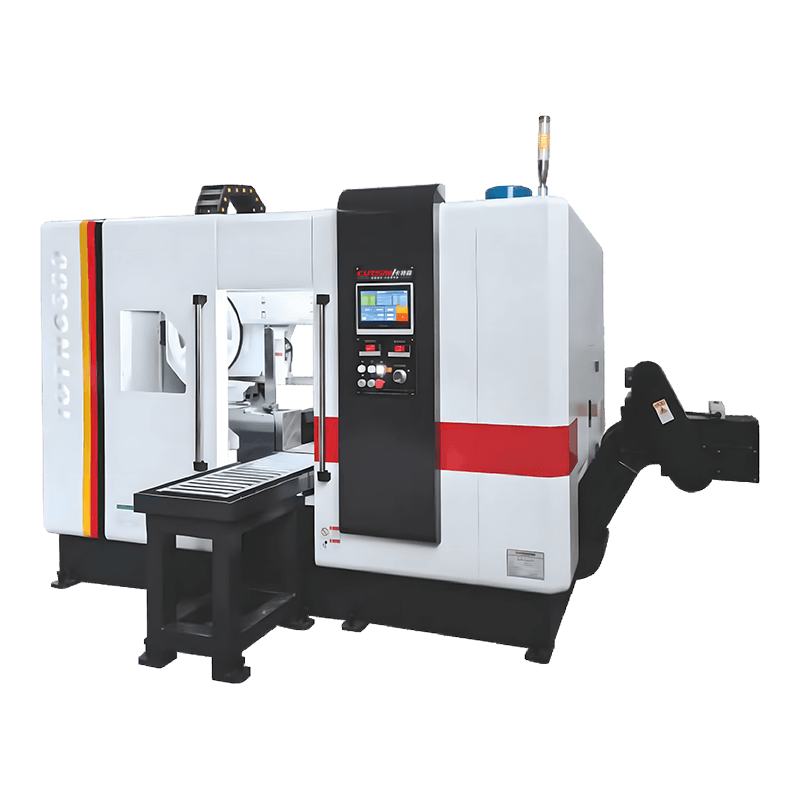
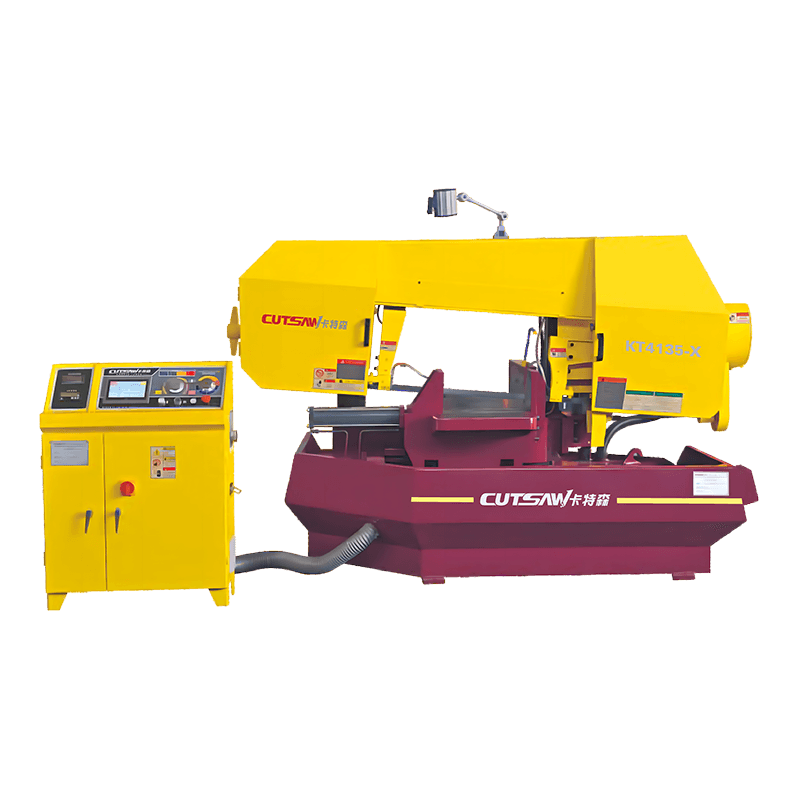
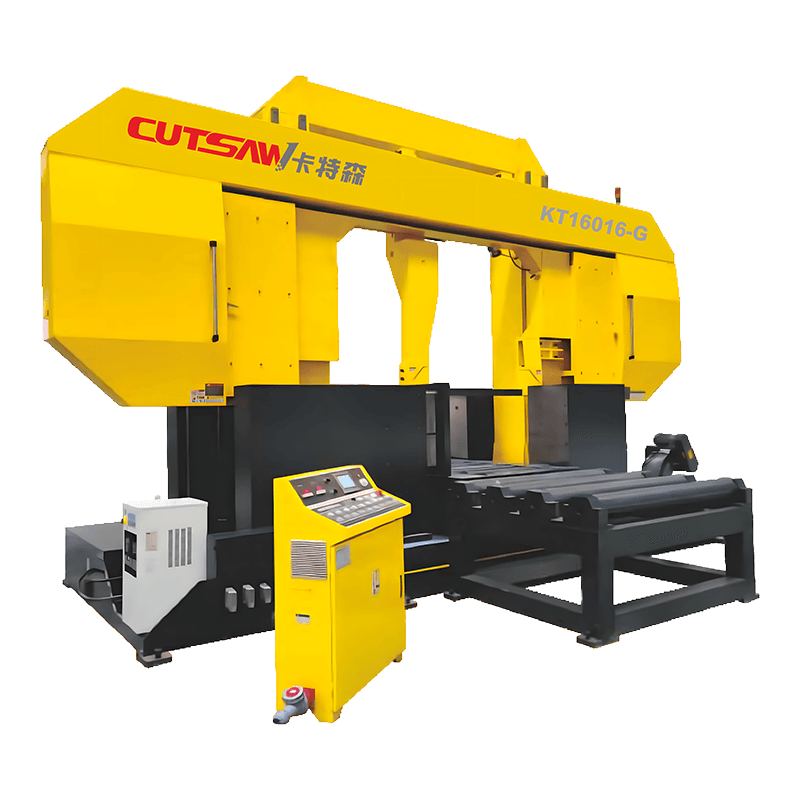
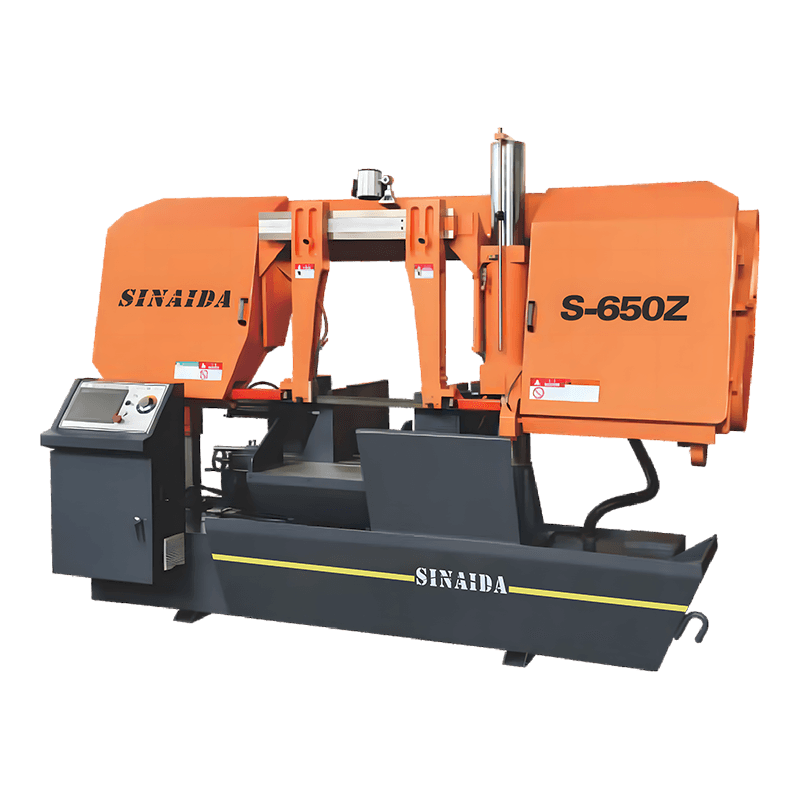
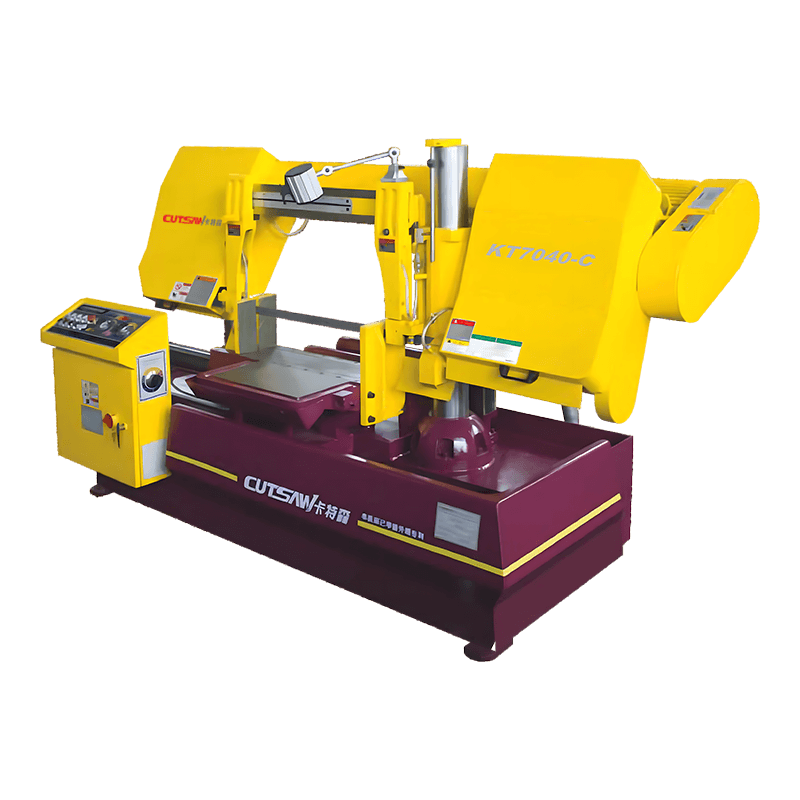
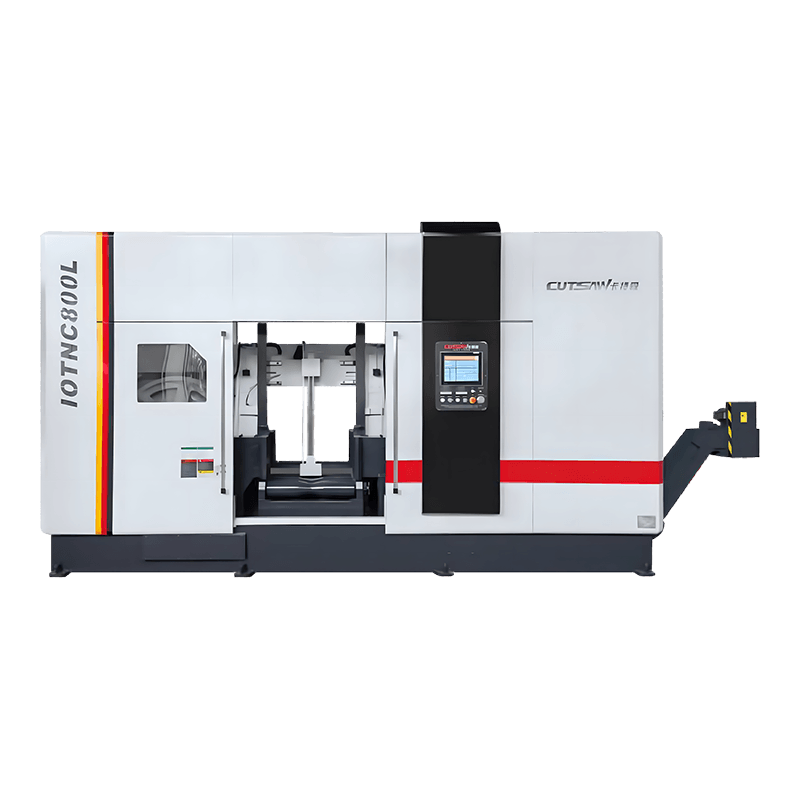
The Cutting Band Saw Machine performs highly accurate and stable angled and mitre cuts, typically achieving a cutting tolerance between ±0.3° and ±0.8° depending on setup quality, blade condition, and material type. In practical use, it is fully capable of producing repeatable 0°–60° mitre cuts on metal profiles with minimal post-processing.
When properly configured, the machine performs especially well in industrial workflows where a horizontal band saw for metal setup is used for structural steel, tubing, and bar stock cutting. Its stability, controlled feed rate, and rigid clamping system ensure that angled cuts remain consistent even during long production runs.
Why Angled Cutting Accuracy Is Reliable
The Cutting Band Saw Machine achieves reliable angled cutting accuracy due to three core engineering factors: controlled descent of the saw bow, rigid workpiece fixation, and stable blade tracking. Unlike freehand cutting tools, the material remains fixed while the blade moves in a guided path, significantly reducing deviation.
In industrial applications, especially when working with a horizontal band saw for metal, the saw frame typically uses hydraulic or gravity-assisted feed control. This ensures a constant cutting pressure, preventing blade wander when cutting at 30°, 45°, or 60° angles.
- Stable feed pressure reduces angular deviation by up to 40% compared to manual saw systems.
- Rigid vice systems maintain alignment within 0.2–0.5 mm shift tolerance.
- Blade guides reduce lateral deflection during high-resistance cuts.
Mitre Angle Adjustment System
Modern Cutting Band Saw Machine systems support adjustable mitre cutting from 0° to 60°, with common preset locking positions at 15°, 30°, and 45°. This allows operators to quickly switch between production requirements without recalibration.
The angle adjustment mechanism typically includes a calibrated scale and locking clamp. When set correctly, it ensures repeatability across multiple workpieces, which is critical in fabrication environments using a horizontal band saw for metal.
For example, cutting a 50 mm steel tube at 45° mitre angle produces a predictable joint surface with less than 0.5° deviation, making it suitable for welding assemblies and structural frameworks.
Blade Behavior During Angled Cuts
Blade selection and condition significantly influence performance during angled cutting. A dull blade or incorrect TPI selection can increase deflection, especially when cutting dense metals at steep angles.
When using a horizontal band saw for metal, recommended blade specifications vary depending on material:
- 14–18 TPI for carbon steel and structural steel
- 10–14 TPI for thick solid bars and heavy profiles
- 24–32 TPI for aluminum and non-ferrous metals
Improper blade selection can increase angular error by up to 1.2°, especially during long cuts where heat buildup affects blade tension.
Comparison: Straight vs Angled Cutting Performance
The Cutting Band Saw Machine performs differently depending on whether it is used for straight or angled cuts. The following comparison highlights real operational differences.
| Cut Type | Typical Material | Angle Range | Average Tolerance | Surface Finish |
|---|---|---|---|---|
| Straight Cut | Steel bar / tube | 0° | ±0.2° | Excellent |
| Miter Cut | Structural steel | 30°–45° | ±0.5° | Very Good |
| Deep Mitre Cut | Thick alloy steel | 45°–60° | ±0.8° | Good |
Practical Industrial Applications
In real manufacturing environments, the Cutting Band Saw Machine is widely used for preparing structural components before welding or assembly. Its ability to perform angled cuts efficiently reduces material waste and post-processing time.
A horizontal band saw for metal is especially valuable in fabrication shops where repetitive angled cuts are required. For example, cutting steel pipes for railing systems or frames often requires repeated 45° mitre joints with identical precision across hundreds of pieces.
- Steel structural fabrication with repeatable 30° and 45° joints
- Automotive frame component preparation
- Aluminum extrusion trimming for modular assemblies
Key Factors That Affect Performance
Several variables determine how well the Cutting Band Saw Machine performs on angled and mitre cuts. Understanding these factors helps operators maintain high accuracy and extend machine lifespan.
The most influential factors include blade tension, feed rate consistency, material hardness, and machine rigidity. Even small deviations in setup can result in measurable angular errors during precision cutting tasks.
- Incorrect feed speed may increase deviation by 0.5°–1°
- Worn blade guides reduce cutting accuracy significantly
- Poor clamping increases vibration and edge distortion