English
 русский
 简体中文
简体中文


When it comes to angle cutting aluminum extrusions with consistent precision, the CNC sawing machine is the clear winner over the miter saw machine for industrial and high-volume applications. While miter saw machines serve well in light fabrication and woodworking-adjacent tasks, CNC sawing machines offer programmable accuracy, repeatable angular positioning, and superior throughput that miter saws simply cannot match at scale. This article breaks down exactly why — with data, comparisons, and practical guidance for buyers.
What Each Machine Is Designed to Do
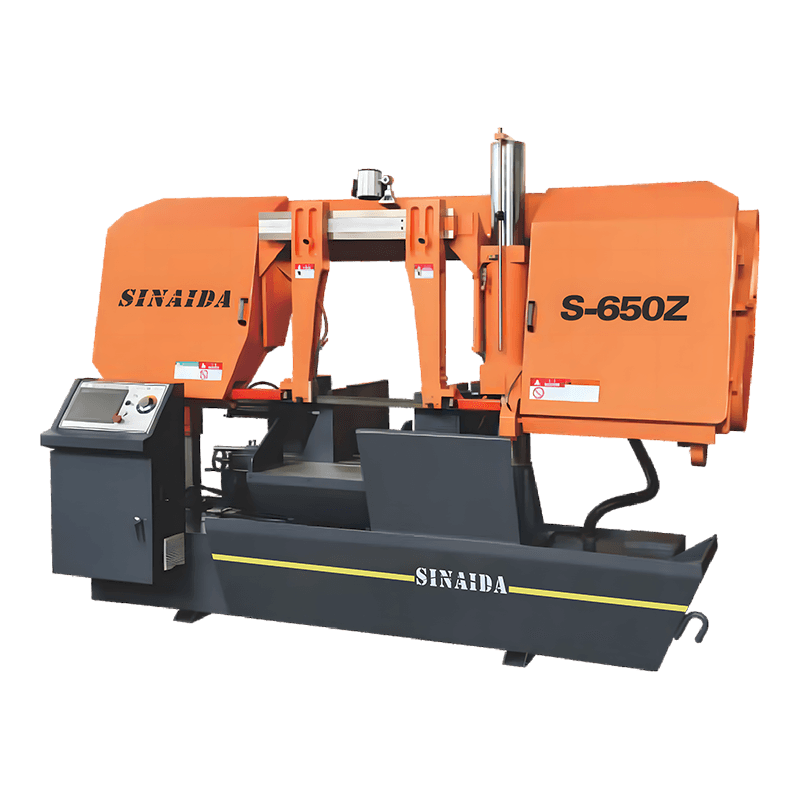
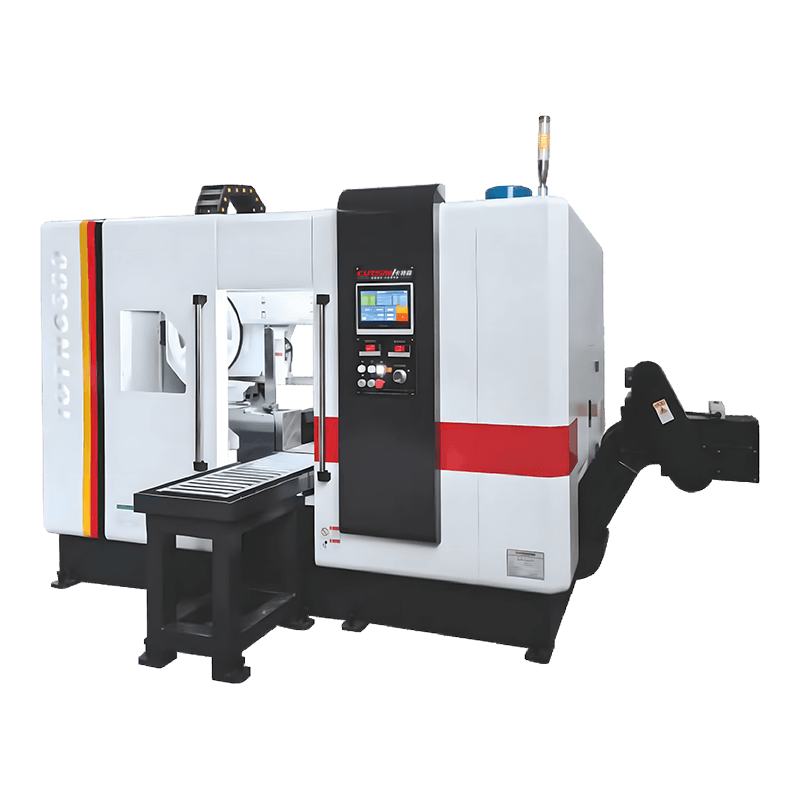
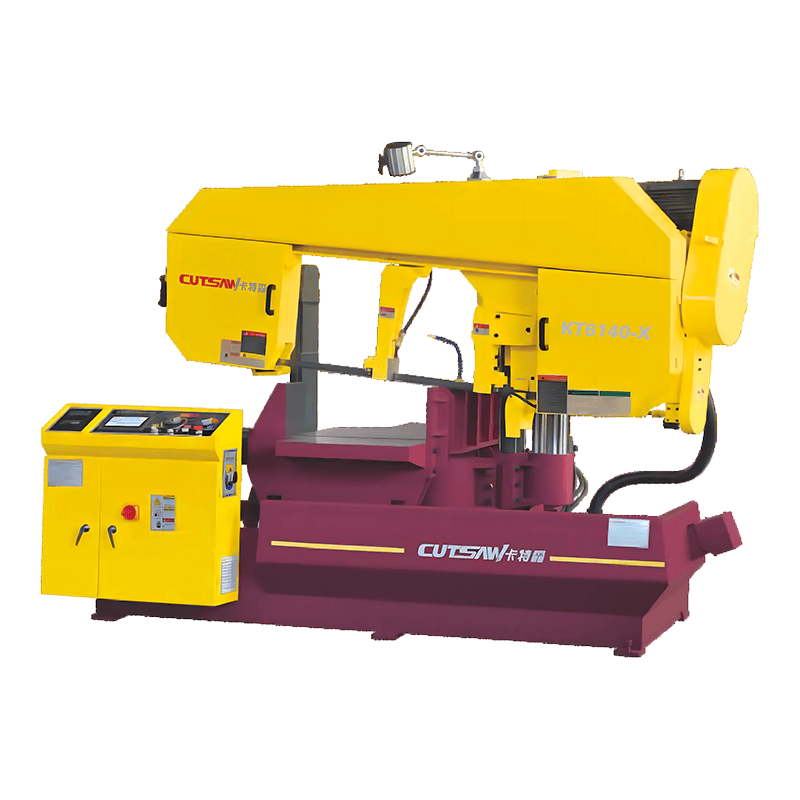
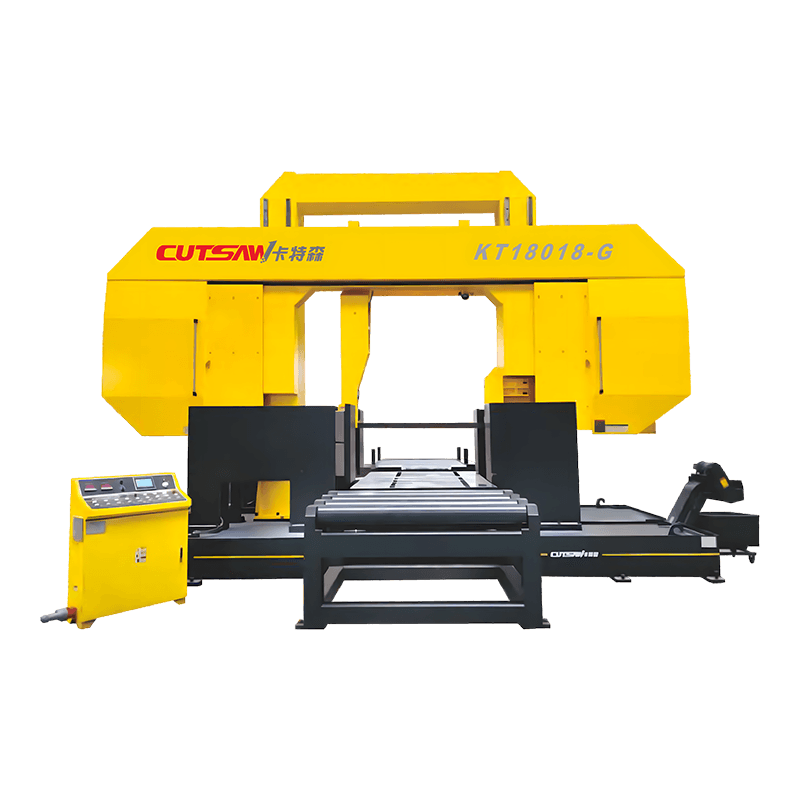
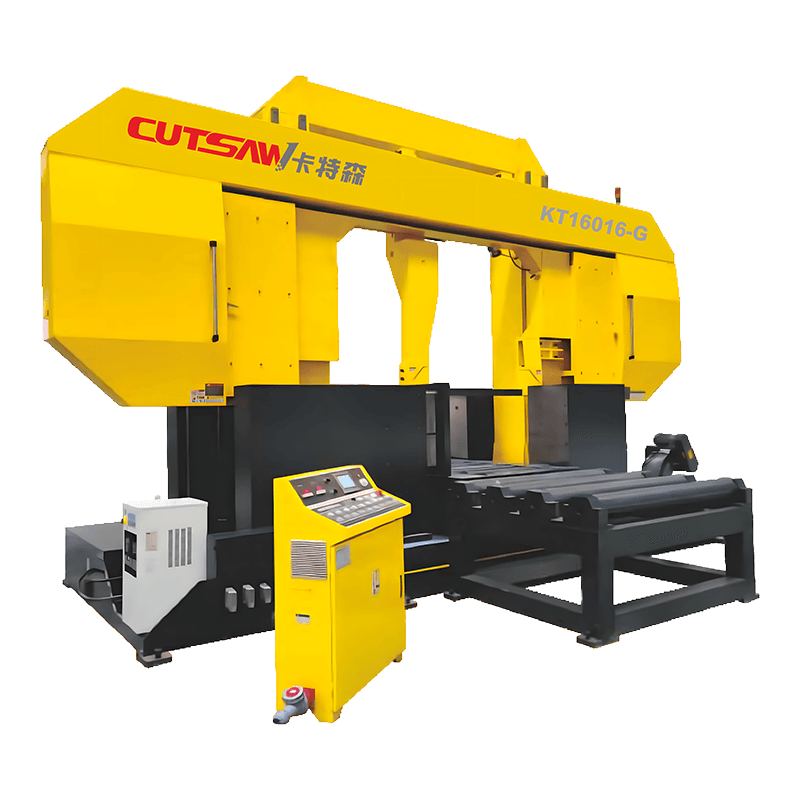
A CNC sawing machine uses computer numerical control to automate cutting operations, including angle cuts, length positioning, and feed speed. It can process aluminum extrusions, steel bars, and structural profiles with minimal operator input once programmed. Modern CNC sawing machines — including the CNC band saw machine variant — support multi-axis control that allows compound angle cuts in a single pass.
A miter saw machine, by contrast, is a manually or semi-automatically operated tool designed primarily for crosscuts and miter angles. It pivots on a fixed base to preset angles — typically 0° to 45° left and right — and relies on the operator to lock the angle, position the workpiece, and execute the cut. While compound miter saws add bevel capability, the process still depends heavily on manual setup.
Angular Precision: CNC Sawing Machine vs. Miter Saw Machine
Precision in angle cutting is determined by angular repeatability, blade deflection control, and clamping rigidity. Here is how the two machines compare on each dimension:
| Parameter | CNC Sawing Machine | Miter Saw Machine |
|---|---|---|
| Angular Repeatability | ±0.1° or better | ±0.5° to ±1° |
| Angle Range | 0° to 60°+ (programmable) | 0° to 45° (fixed stops) |
| Compound Angle Cutting | Yes (multi-axis CNC) | Limited (manual bevel) |
| Clamping Force Control | Hydraulic / pneumatic auto-clamp | Manual clamp or fence |
| Operator Dependency | Low (programmed settings) | High (manual setup each cut) |
| Cut Surface Finish on Aluminum | Ra 1.6–3.2 µm typical | Ra 3.2–6.3 µm typical |
The data shows a clear advantage for the CNC sawing machine. An angular repeatability of ±0.1° means that across 500 consecutive cuts, each piece comes out to the same angle without re-measuring or adjusting. A miter saw machine at ±1° introduces cumulative error that becomes critical in frame assembly, curtain wall fabrication, and aerospace aluminum structural components.
Why Aluminum Extrusions Demand Higher Precision
Aluminum extrusions used in window frames, solar panel mounting systems, industrial enclosures, and conveyor structures have tight assembly tolerances. A 45° miter joint on an aluminum frame section, for example, must close flush on both faces. Even a 0.3° deviation on a 60 mm wide extrusion produces a visible 0.3 mm gap at the corner — unacceptable in visible architectural applications.
Aluminum also has a low modulus of elasticity compared to steel, making it more sensitive to blade deflection and improper clamping. A CNC band saw machine with controlled feed rate and auto-tensioned blade reduces this risk significantly. The miter saw machine, with its high-speed circular blade and manual feed, is more likely to introduce vibration and burr on thin-walled aluminum profiles.
Common Aluminum Extrusion Applications Requiring Precise Angle Cuts
- Architectural window and door frame assemblies (45° miter joints)
- Solar panel aluminum rail systems (variable pitch angle cuts)
- Industrial conveyor frame construction (compound angles)
- Aerospace structural extrusion blanking (tight tolerance)
- Automotive body trim and structural profiles (high-volume batch)
For all of the above categories, the CNC sawing machine is the standard production tool. Miter saw machines appear in job shops and small-batch custom work where speed of setup outweighs the need for tight repeatability.
Programming Flexibility and Multi-Angle Batch Cutting
One of the most practical advantages of a CNC sawing machine is its ability to store and execute multi-angle cutting programs without manual reconfiguration. An operator can load a cutting list — say, 200 pieces at 45°, followed by 150 pieces at 22.5°, then 80 pieces at 30° — and the machine repositions its cutting head automatically between batches.
On a miter saw machine, each angle change requires the operator to unlock the miter scale, rotate the table, re-lock, and verify with a protractor or test cut. For a production run involving five different angles across 800 total pieces, this manual reconfiguration can add 30 to 60 minutes of non-cutting time per shift — a significant efficiency loss.
The CNC band saw machine variant adds another layer of flexibility: because the band saw blade exerts lower lateral force than a circular saw blade, it can cut larger cross-section aluminum extrusions — such as 200 mm × 100 mm hollow profiles — without blade wandering. This is critical when cutting thick-wall structural aluminum at non-perpendicular angles.
Production Speed and Output Comparison
Speed is not just about how fast the blade moves — it includes setup time, repositioning time, and scrap rate. Here is a practical output comparison for a batch of 500 aluminum extrusion pieces cut at 45°:
| Metric | CNC Sawing Machine | Miter Saw Machine |
|---|---|---|
| Setup Time (per batch) | 5–10 minutes (program load) | 15–25 minutes (manual setup) |
| Cuts per Hour (500 pcs run) | 120–180 | 60–90 |
| Scrap Rate (angle deviation) | <0.5% | 2–5% |
| Operator Skill Required | CNC programming (medium) | Manual skill (high) |
| Overnight Unmanned Running | Yes (with auto-feed) | No |
When a Miter Saw Machine Is Still a Reasonable Choice
Despite its limitations, the miter saw machine remains relevant in specific contexts. It is not the right tool for precision industrial cutting of aluminum extrusions, but it has a clear role in:
- On-site construction work where portability outweighs precision
- Small fabrication shops producing one-off custom aluminum trim pieces
- Low-budget startups where capital equipment cost is the primary constraint
- Prototype development where a single sample cut is needed quickly
Entry-level miter saw machines for aluminum cutting typically cost $500 to $3,000, compared to CNC sawing machines which range from $15,000 to over $120,000 depending on automation level and cutting capacity. For shops producing fewer than 50 angle cuts per day, the miter saw machine may be the more economically justified tool.
Choosing the Right CNC Sawing Machine for Aluminum Extrusion Work
If you have confirmed that a CNC sawing machine is the right solution, the next step is selecting the correct type. For aluminum extrusion angle cutting specifically, consider these factors:
Blade Type
A CNC band saw machine uses a continuous loop blade with fine tooth pitch — ideal for thin-walled aluminum profiles. Circular cold saw variants are better for solid aluminum bars where burr-free finish is critical. For hollow extrusions under 150 mm, the CNC band saw machine is generally preferred due to lower cutting forces and reduced risk of profile collapse.
Angle Head Rotation Range
Ensure the CNC sawing machine supports at least 0° to 60° angular rotation on the cutting head. Some machines offer dual-head configurations that can cut both ends of an extrusion simultaneously at different angles — reducing cycle time by up to 40% on mitered frame components.
Auto-Feed and Length Positioning
A servo-driven auto-feed system with positional accuracy of ±0.1 mm ensures that each piece is cut to the correct length as well as angle. This is critical when producing components that must nest or assemble without secondary machining.
Coolant System
Aluminum cutting generates chips that can weld onto blade teeth without adequate lubrication. CNC sawing machines equipped with mist coolant or flood coolant systems significantly extend blade life and improve cut surface quality on aluminum extrusions.
For industrial angle cutting of aluminum extrusions, the CNC sawing machine outperforms the miter saw machine on every metric that matters in production: angular precision, repeatability, throughput, and automation capability. The CNC band saw machine variant is particularly well-suited for hollow and thin-walled profiles where blade force management is essential. If your operation processes more than 100 aluminum extrusion cuts per day or requires angular tolerances tighter than ±0.5°, a CNC sawing machine is not optional — it is necessary. Miter saw machines remain valid only for low-volume, on-site, or prototype applications where cost and portability take priority over precision.