English
 русский
 简体中文
简体中文


Immediate Conclusion on Chip Removal and Coolant Efficiency
The chip removal and coolant system in the Angle Band Sawing Machine is highly effective in maintaining cutting precision, reducing blade wear, and preventing overheating during prolonged operation. Machines equipped with optimized coolant flow and high-capacity chip evacuation can operate continuously for several hours with minimal performance degradation.
Importance of Chip Removal in Angle Band Sawing Machines
Efficient chip removal is critical for maintaining cutting accuracy and prolonging blade life. During high-speed cutting, metal chips accumulate near the blade and workpiece. If not properly evacuated, these chips can scratch the material surface, obstruct blade movement, and cause overheating.
Modern Angle Band Sawing Machines typically feature:
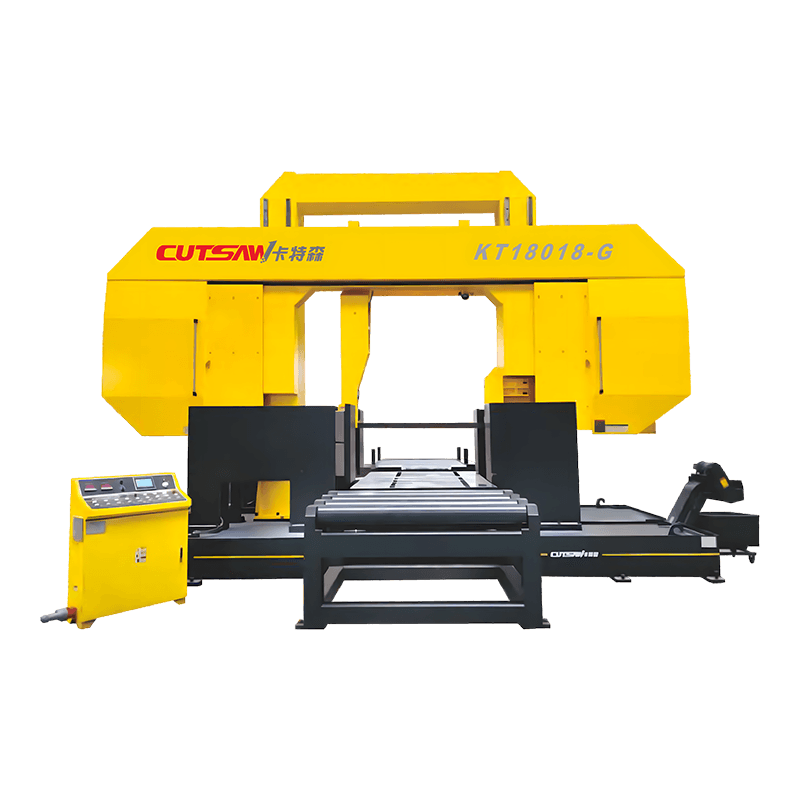
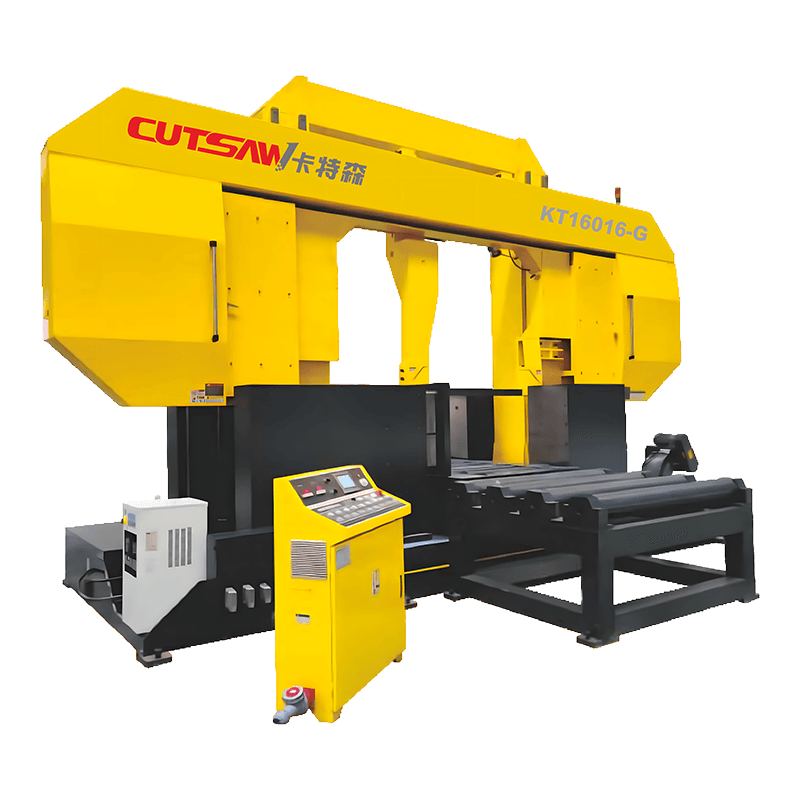
- High-capacity chip conveyors that transport waste metal away from the cutting zone.
- Strategically positioned brushes or air blowers to prevent chip buildup on the blade guides.
- Optimized blade guard designs that direct chips toward the collection system efficiently.
Example: A 400mm cutting capacity Angle Band Saw with dual-chip conveyors can remove up to 3 kilograms of metal shavings per hour during heavy-duty steel cutting, ensuring uninterrupted operation.
Role of the Coolant System in Prolonged Operations
The coolant system in an Angle Band Sawing Machine serves multiple purposes: reducing heat generation, lubricating the cutting surface, and washing away metal chips. Without proper coolant application, blades can overheat, lose hardness, and warp, leading to poor cut quality and frequent replacement.
Effective coolant systems often include:
- High-pressure nozzles that deliver coolant directly to the cutting edge.
- Adjustable flow rates to suit different materials such as stainless steel, aluminum, or brass.
- Integrated coolant filtration to remove chips and prevent recirculation of debris.
Example: A machine running at 25 meters per minute with high-pressure coolant can reduce blade temperature by up to 40%, significantly extending blade life during continuous operation.
Measuring the Efficiency of Chip Removal Systems
Efficiency of chip removal can be assessed using several performance indicators, including:
- Cutting consistency: Less variation in cut quality indicates effective chip removal.
- Blade temperature: Lower operating temperatures suggest proper chip evacuation and coolant effectiveness.
- Machine downtime: Fewer interruptions due to chip accumulation indicate a highly efficient system.
Regular inspections of the chip conveyor, guide brushes, and coolant flow lines are essential to maintain high efficiency. Data from industrial tests show that properly maintained systems reduce blade replacement frequency by up to 30%.
Best Practices for Optimizing Chip Removal and Coolant Use
To maximize the performance of an Angle Band Sawing Machine, operators should follow these best practices:
- Ensure that the chip conveyor is clean and free from obstructions before starting a cutting session.
- Use coolant with proper concentration and viscosity suitable for the material being cut.
- Adjust nozzle angles to ensure that chips are directed away from the blade and cutting zone.
- Monitor temperature and chip accumulation periodically to prevent overheating and mechanical wear.
Comparative Table of Chip Removal and Coolant Performance
| Machine Model | Chip Removal Rate (kg/hr) | Coolant Flow Efficiency (%) | Continuous Operation Time (hrs) |
|---|---|---|---|
| Model A | 3.0 | 92 | 6 |
| Model B | 2.5 | 88 | 5 |
| Model C | 3.2 | 95 | 7 |
The well-designed chip removal and coolant system is essential for maintaining precision, extending blade life, and enabling prolonged operation of Angle Band Sawing Machines. Proper maintenance, coolant optimization, and efficient chip evacuation can reduce downtime, prevent overheating, and ensure consistent high-quality cuts even during continuous heavy-duty usage.