English
 русский
 简体中文
简体中文


Does a CNC Sawing Machine Require Special Lubrication or Coolant Systems?
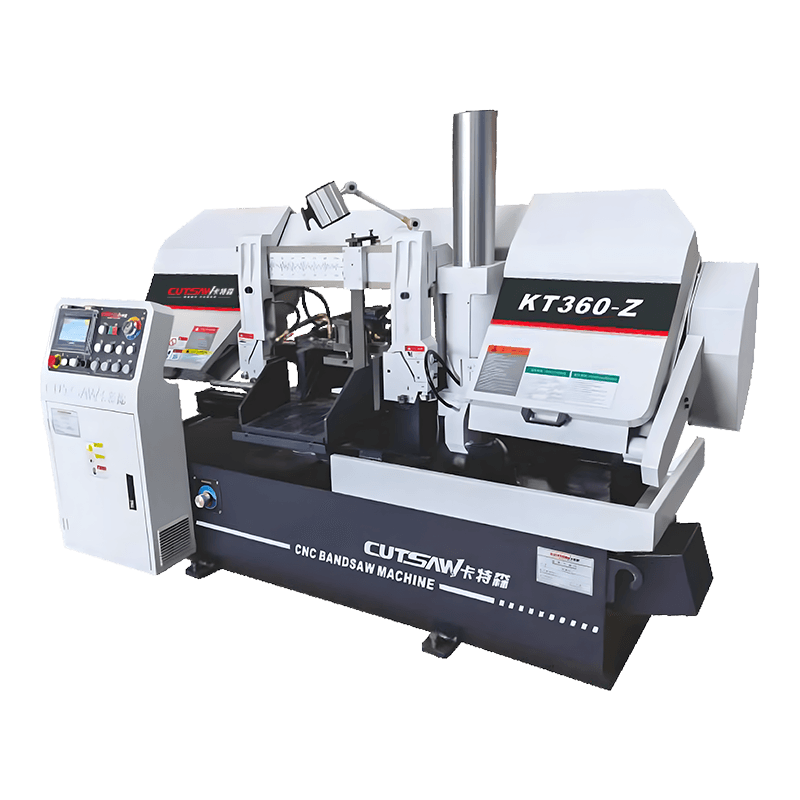
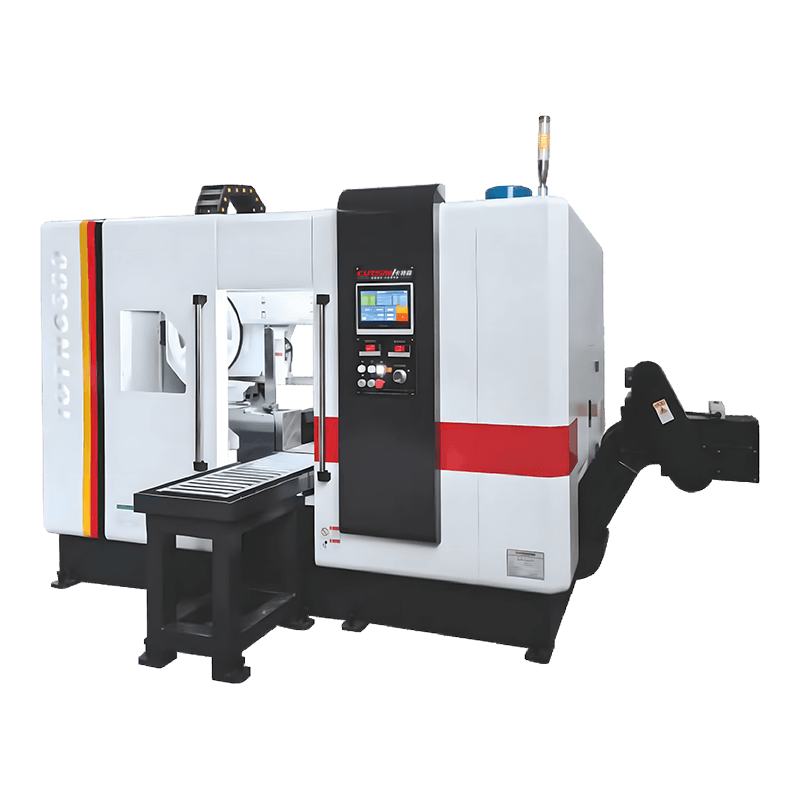
CNC Sawing Machine typically requires both specialized lubrication and coolant systems to maintain optimal cutting performance, prolong machine life, and ensure operator safety. Without proper lubrication and cooling, cutting accuracy can decline, blade wear increases, and mechanical components may fail prematurely.
The Role of Lubrication in CNC Sawing Machines
Lubrication is critical for reducing friction and wear on moving parts of a CNC Sawing Machine. Key components such as:
- Linear guides and bearings
- Ball screws and lead screws
- Rotating saw spindles
- Hydraulic actuators
require regular lubrication to prevent overheating and excessive wear. Modern CNC Sawing Machines often feature automatic centralized lubrication systems that deliver precise amounts of lubricant at scheduled intervals, which ensures consistent performance and reduces maintenance downtime.
Importance of Coolant Systems for Cutting Efficiency
Coolant systems are equally important for CNC Sawing Machines. During cutting, friction generates significant heat that can:
- Reduce blade lifespan
- Cause thermal expansion, leading to inaccurate cuts
- Damage sensitive materials like aluminum or plastics
A dedicated coolant system, either flood coolant or mist coolant, helps maintain stable cutting temperatures. CNC Sawing Machines designed for heavy-duty metal cutting often use flood cooling, which can reduce blade temperature by up to 50–70%, significantly extending tool life and improving cut quality.
Types of Lubricants Used in CNC Sawing Machines
The choice of lubricant depends on the machine’s design and operating conditions. Common options include:
- Mineral-based oils: Suitable for general-purpose lubrication in standard environments.
- Synthetic oils: Offer higher thermal stability and longer service intervals for high-speed cutting.
- Grease: Used for slow-moving or heavily loaded components where oil circulation is limited.
Using the wrong type of lubricant can lead to premature wear, corrosion, or even machine seizure, so adherence to manufacturer specifications is critical.
Coolant Selection and Management
Choosing the correct coolant is essential to prevent overheating and maintain material integrity. Factors include:
- Material type: Metals like stainless steel require water-soluble coolants, while non-ferrous metals may use oil-based coolants.
- Cutting speed: High-speed operations generate more heat and require higher coolant flow rates.
- Blade type: Carbide blades benefit from more consistent cooling to prevent thermal cracking.
Coolant maintenance, including filtration and periodic replacement, ensures debris removal and prevents bacterial growth in water-based solutions.
Integration of Lubrication and Coolant Systems
Modern CNC Sawing Machines often integrate lubrication and coolant systems for operational efficiency. Benefits include:
- Reduced manual intervention and maintenance time
- Consistent delivery of fluids to high-stress components
- Minimized risk of thermal deformation and blade damage
Some systems allow real-time monitoring of fluid levels, flow rates, and temperature, providing alerts for preventive maintenance and enhancing machine uptime.
Practical Recommendations for Users
To maximize the lifespan and efficiency of a CNC Sawing Machine, operators should:
- Follow manufacturer guidelines for lubricant type and replacement intervals.
- Regularly inspect coolant concentration and cleanliness to avoid cutting defects.
- Ensure automatic lubrication systems are functioning correctly and refill reservoirs as needed.
- Monitor temperature of critical components during long cutting cycles to prevent overheating.
By adopting these practices, operators can achieve up to 30% longer blade life and significantly reduce unexpected downtime.
Sample Lubrication and Coolant Schedule
| Component | Fluid Type | Replacement/Check Interval |
|---|---|---|
| Ball screws | Synthetic oil | Every 500 operating hours |
| Linear guides | Grease | Monthly |
| Cutting area | Water-soluble coolant | Weekly or based on usage |
| Spindle bearings | High-speed oil | Every 200 operating hours |
CNC Sawing Machine does require specialized lubrication and coolant systems to maintain peak performance, ensure safety, and extend machine lifespan. Proper selection, maintenance, and monitoring of these systems can lead to improved cut accuracy, reduced downtime, and cost savings over the long term. Operators who follow best practices for fluid management will see tangible benefits in productivity and equipment reliability.