English
 русский
 简体中文
简体中文


Industrial Manufacturing — Equipment Notes
What a Sawing Machine Actually Does on the Factory Floor
From raw stock to finished component, the first cut sets the tone for everything that follows. A look at where the sawing machine sits in the production line, and why it matters more than its size suggests.
Primary Function of a Sawing Machine in Industrial Manufacturing
A sawing machine is used in industrial manufacturing settings to cut raw materials such as metal bars, pipes, tubes, plates, and structural profiles into precise lengths and shapes before they move on to further processing. This cutting step is one of the first and most critical stages in a production line, since the accuracy of the initial cut directly affects the quality, fit, and cost of every downstream operation, including machining, welding, and assembly. Rather than being a single-purpose tool, a sawing machine functions as a foundational piece of equipment that supports nearly every branch of manufacturing, from automotive parts production to construction steel fabrication.
In most factories, a sawing machine is positioned early in the production workflow, immediately after raw material storage. Operators feed stock material into the machine, which then cuts it according to programmed or manually set dimensions. This process reduces material waste, shortens production cycles, and ensures that components entering later stages already match required specifications.
The accuracy of the first cut is rarely the most visible decision in a production line — but it is often the one that determines how much rework happens later.
Core Applications Across Manufacturing Processes
Beyond simple material sizing, a sawing machine supports a wide range of manufacturing applications. These include preparing billets for forging, cutting structural steel for construction frameworks, sizing pipe sections for plumbing and industrial piping systems, and trimming excess material from cast or extruded parts.
Automotive and Machinery Component Preparation
In automotive and machinery manufacturing, a sawing machine cuts shafts, axles, and bar stock into blanks that are later turned, milled, or drilled into finished components. A single sawing machine can process hundreds of blanks per shift, making it essential for meeting high-volume production targets without sacrificing dimensional accuracy.
sawing machine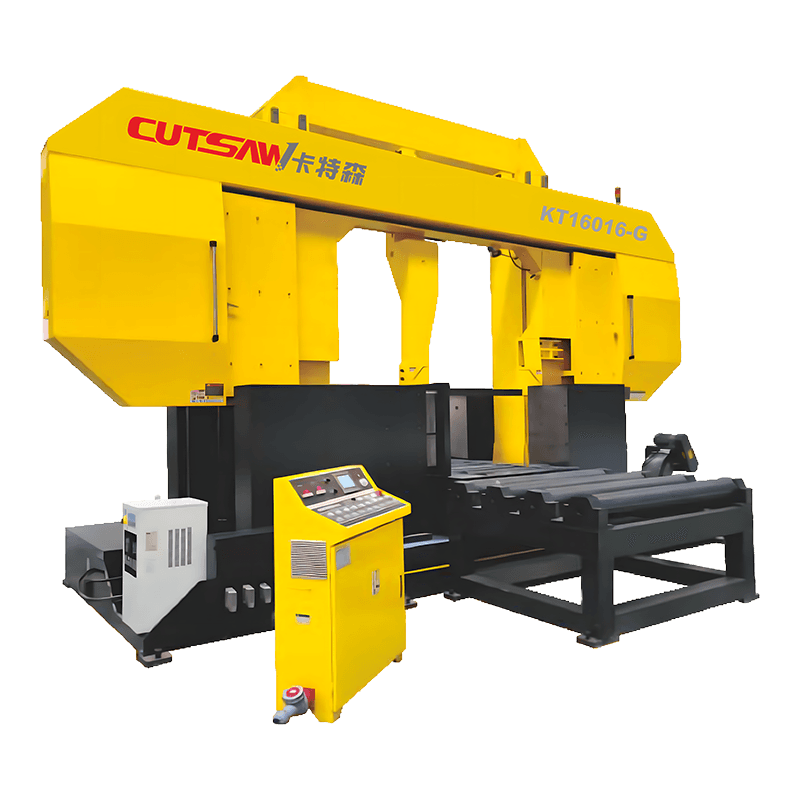
Construction and Structural Steel Fabrication
Structural fabrication shops use a sawing machine to cut I-beams, angle iron, and channel steel to exact lengths before welding them into frames, supports, or trusses. Clean, square cuts reduce the need for secondary grinding, which saves labor time on large construction projects.
Info
Machine type is rarely a one-size-fits-all decision — it follows directly from material, tolerance, and volume, which is why most shops run more than one type in parallel.
Types of Sawing Machines Used in Industrial Settings
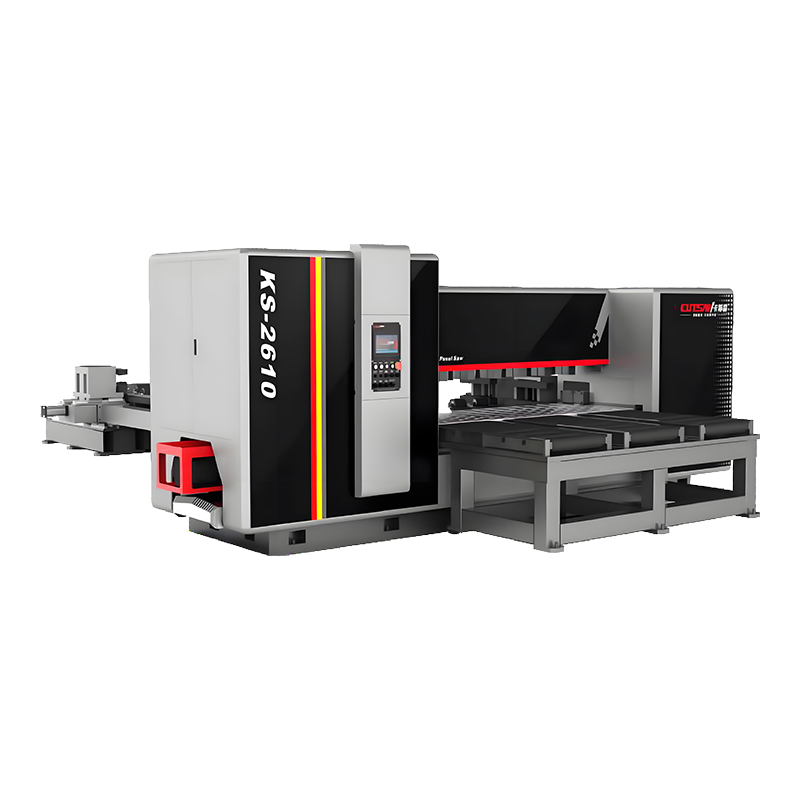
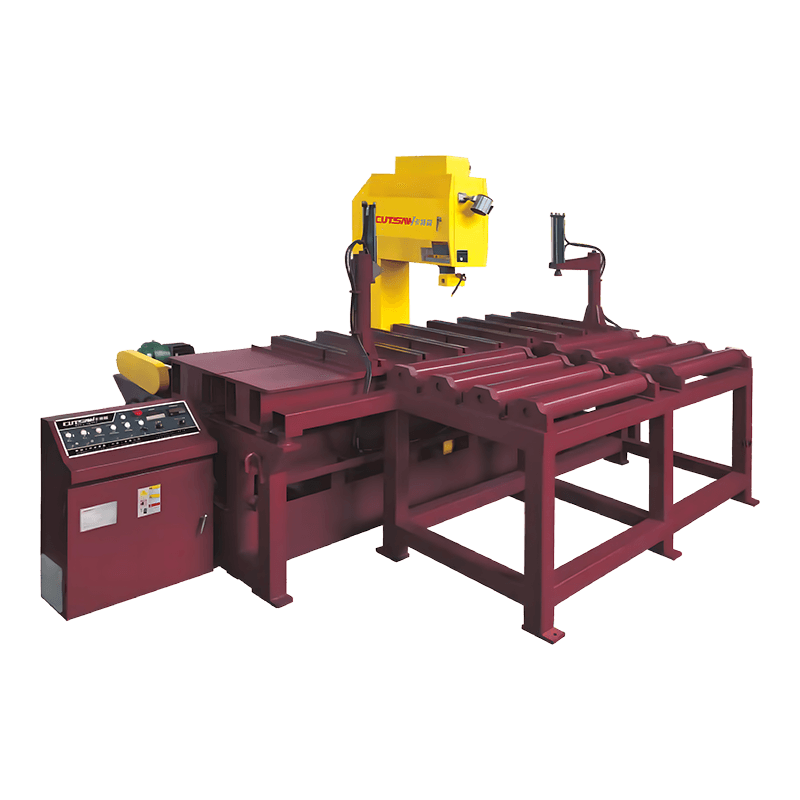
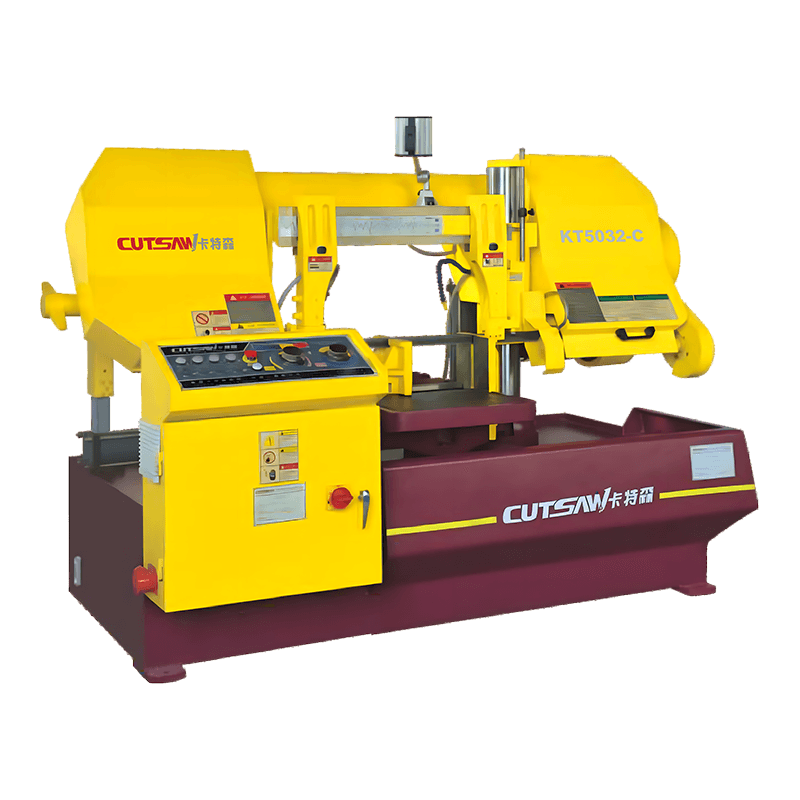
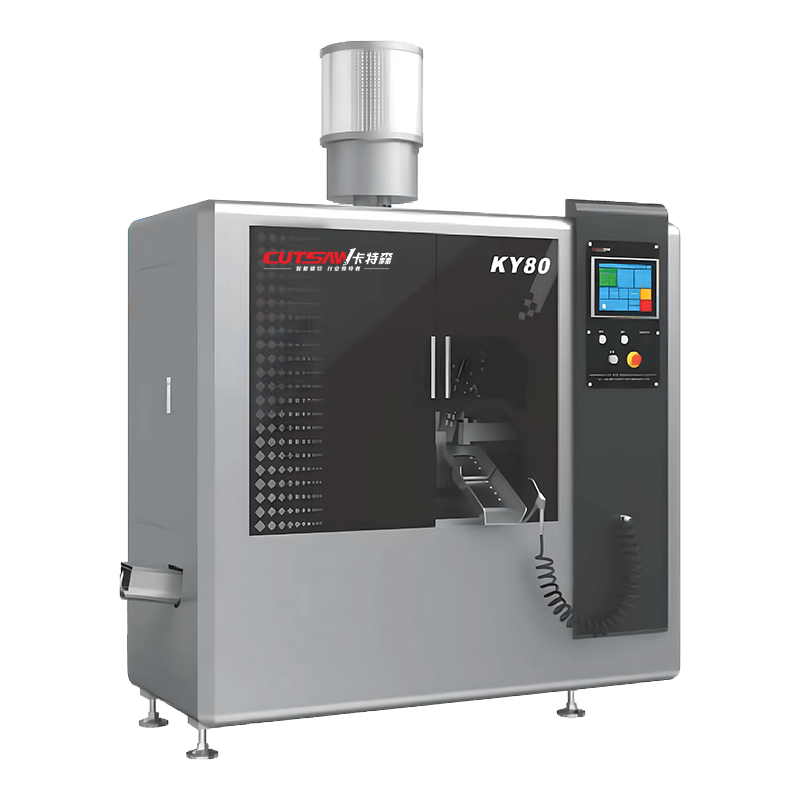
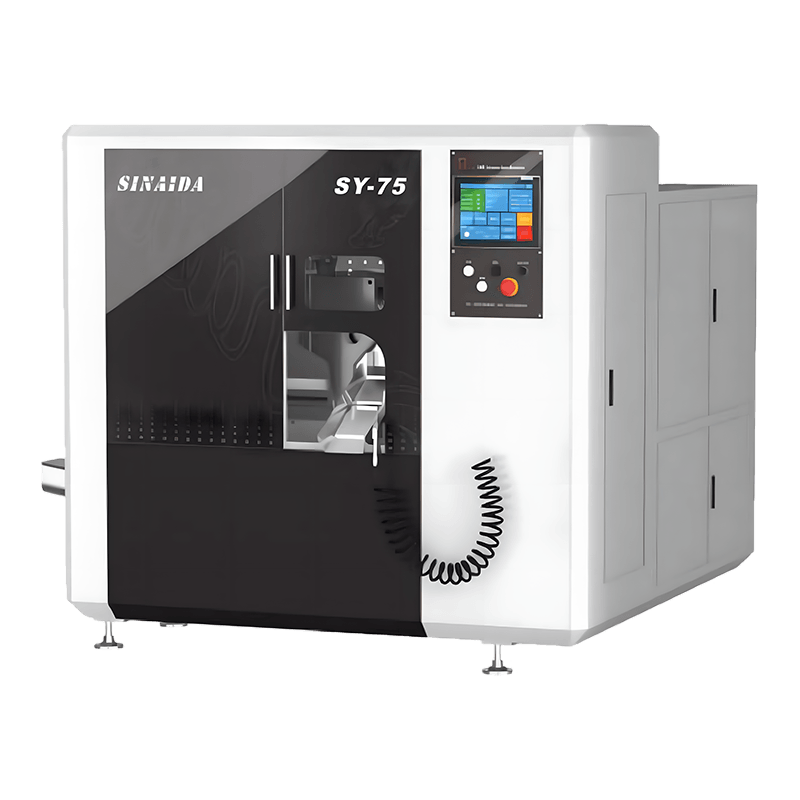
Not all sawing machines operate the same way, and manufacturers choose specific types based on material, cutting angle, and production volume. The most common types include band saws, circular saws, hacksaw-style power saws, and CNC sawing machine systems.
- Band sawing machines, which use a continuous looped blade for straight or contour cuts on metal and wood.
- Circular sawing machines, which use a rotating disc blade for fast, straight cuts on bar stock and tubing.
- Cold sawing machines, which cut metal without generating excessive heat, preserving material properties.
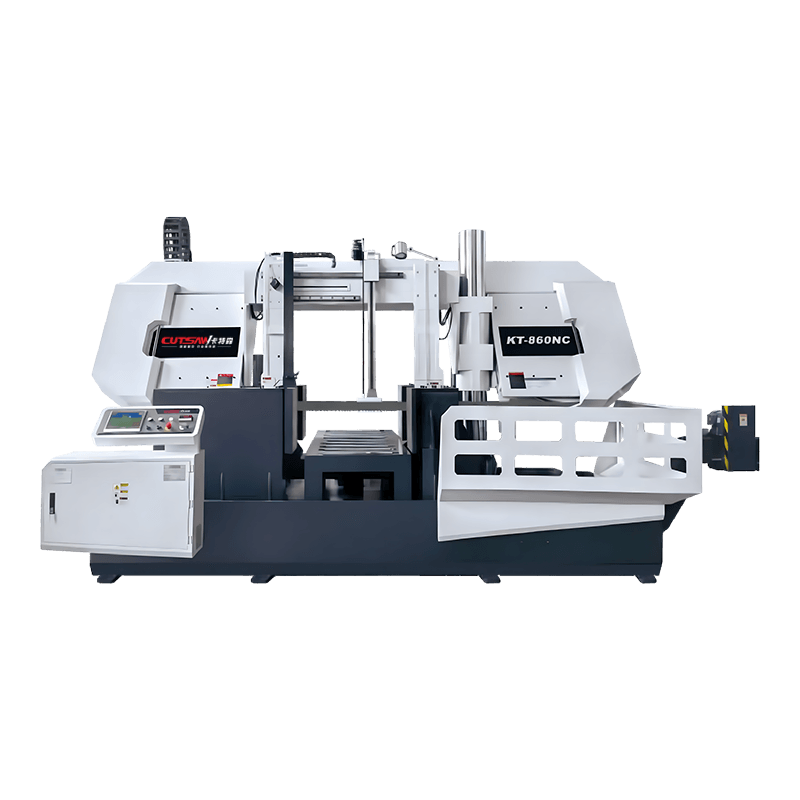
- A CNC sawing machine, which uses computer-controlled positioning to automate repetitive, high-precision cuts.
Among these, a CNC sawing machine has become increasingly common in factories that require consistent dimensional accuracy across large batches. Because cutting parameters are programmed digitally, a CNC sawing machine minimizes human error and allows operators to switch between different cutting profiles quickly, which is particularly valuable in facilities that produce multiple part types on the same production line.
Materials Commonly Cut by Industrial Sawing Machines
A sawing machine is designed to work with a broad range of materials, though blade selection and cutting speed must be adjusted depending on hardness and thickness. The table below outlines typical materials and their common industrial applications.
| Material | Typical Thickness Range | Common Application |
|---|---|---|
| Carbon steel | 10mm to 300mm | Structural framing, machine parts |
| Stainless steel | 5mm to 200mm | Food processing equipment, piping |
| Aluminum alloy | 3mm to 250mm | Aerospace and automotive components |
| Copper and brass | 2mm to 150mm | Electrical fittings, valve bodies |
| Engineering plastics | 5mm to 100mm | Insulation parts, machine housings |
Key Benefits of Using a Sawing Machine in Production Lines
Integrating a sawing machine into a production line delivers measurable operational benefits that extend beyond simple material cutting.
- Improved dimensional consistency across large production batches.
- Reduced material waste through optimized cutting layouts.
- Lower labor costs due to reduced need for manual measuring and trimming.
- Faster cycle times compared to manual cutting methods.
- Compatibility with automated feeding systems for continuous operation.
Facilities that switch from manual cutting to automated sawing machine setups often report material waste reductions of 5 to 10 percent, since programmed cutting paths minimize offcuts and inconsistent kerf loss. Over the course of a full production year, this reduction can translate into significant raw material savings, particularly for operations working with higher-cost alloys.
Success
A 5–10% cut in material waste sounds modest until it compounds across a full year of high-volume runs on premium alloy stock.
Precision and Efficiency Advantages of a CNC Sawing Machine
While standard sawing machines are effective for general cutting tasks, a CNC sawing machine offers a distinct advantage in facilities that demand tight tolerances and repeatable accuracy. By using digital positioning systems, a CNC sawing machine can hold cutting tolerances within fractions of a millimeter, which is critical for components that will later be machined to exact specifications.
Automation and Batch Programming
Operators can program a CNC sawing machine with multiple cutting sequences, allowing the equipment to switch between part lengths and angles without manual recalibration. This capability is especially useful in job shops that produce small batches of varied parts, where setup time on conventional machines would otherwise slow production.
Reduced Operator Dependency
Because a CNC sawing machine relies on programmed instructions rather than manual measurement, cutting quality remains consistent regardless of operator experience level. This reduces training time for new staff and lowers the risk of costly measurement errors during high-volume runs.
Safety Considerations When Operating a Sawing Machine
Operating a sawing machine safely requires attention to blade guarding, material clamping, and operator training. Because these machines apply significant cutting force to dense materials, improper setup can result in blade breakage, material kickback, or operator injury.
- Secure clamping of workpieces before each cut to prevent shifting.
- Regular inspection of blade tension and sharpness.
- Use of protective guarding around moving blade components.
- Proper coolant application to prevent overheating during metal cutting.
Facilities that enforce structured safety checklists for sawing machine operation typically experience fewer equipment-related incidents, which also helps reduce unplanned downtime caused by blade or component failure.
Warning
Skipping blade tension checks is one of the most common causes of kickback incidents — a habit worth building into every shift handover.
Maintenance Practices That Extend Sawing Machine Performance
Routine maintenance is essential for keeping a sawing machine operating at peak efficiency. Blade wear, lubrication levels, and alignment should be checked on a consistent schedule to avoid gradual accuracy loss.
Blade Replacement and Sharpening
Dull blades force a sawing machine to work harder, increasing motor strain and producing rougher cut edges. Replacing blades before they reach full wear can extend motor life and reduce energy consumption by lowering the resistance the machine must overcome during each cut.
Alignment and Calibration Checks
Over time, vibration and repeated use can cause minor misalignment in cutting guides. Periodic calibration, particularly on a CNC sawing machine, ensures that programmed dimensions continue to match actual output, preventing scrap parts from entering downstream processes.
Danger
Running a misaligned CNC sawing machine without recalibration doesn't just risk one bad part — it risks an entire uninspected batch.
Choosing the Right Sawing Machine for Specific Manufacturing Needs
Selecting a sawing machine depends on several factors, including material type, required cutting tolerance, production volume, and available floor space. Facilities with high-mix, low-volume production often benefit from a CNC sawing machine due to its programming flexibility, while operations focused on repetitive, large-scale cutting may find a standard automatic sawing machine more cost-effective.
Ultimately, matching machine capability to production demand ensures that a sawing machine delivers long-term value rather than becoming a bottleneck in the manufacturing process. Facilities that assess their cutting requirements carefully before purchasing equipment typically see faster return on investment and fewer operational disruptions once the machine is integrated into daily production.
In the end, a sawing machine earns its place on the floor not through complexity, but through consistency — every clean cut it makes is one less correction someone else has to make later.