English
 русский
 简体中文
简体中文


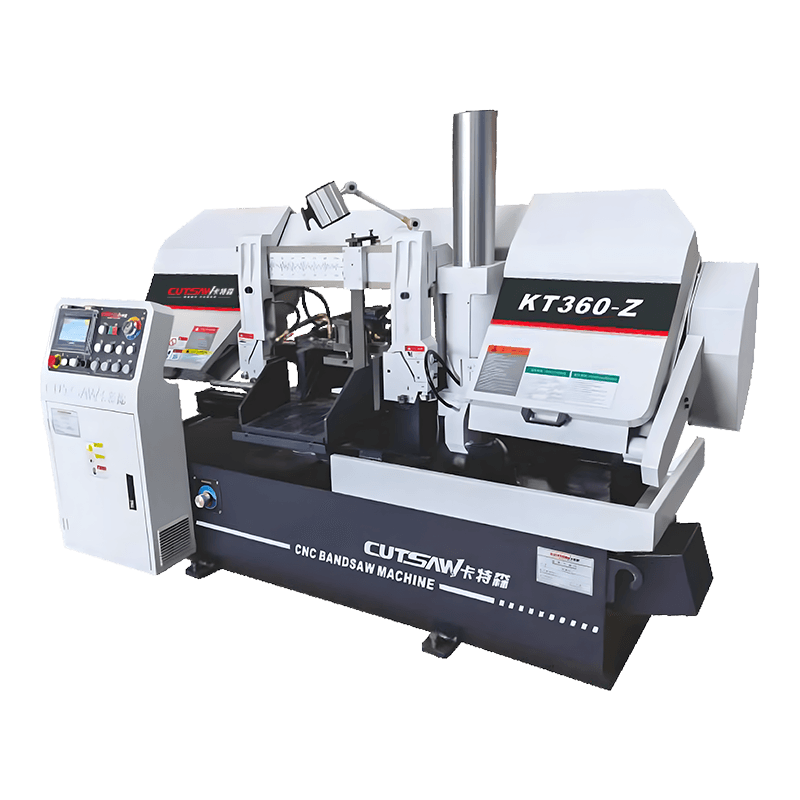
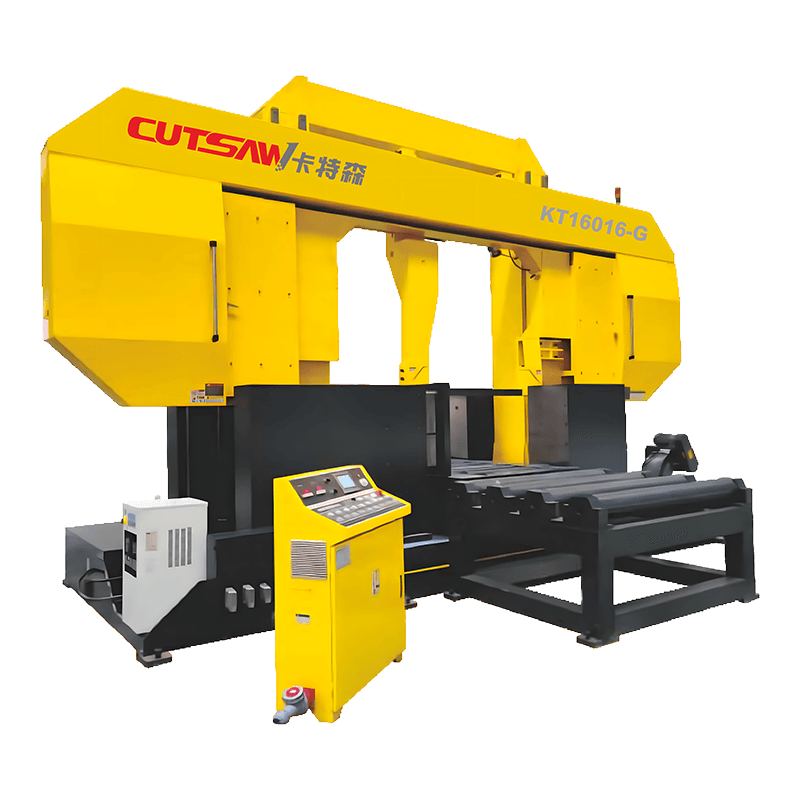
Many band saw machines do support coolant or lubricant delivery systems, particularly those designed or configured for metal-cutting applications. Whether a specific machine includes this feature depends on its class, build, and intended use. Industrial and semi-industrial band saw machines frequently come with built-in coolant tanks, pump systems, and nozzle assemblies, while entry-level or woodworking-focused models typically do not. If your work involves cutting ferrous metals, stainless steel, aluminum, or other hard alloys, understanding how coolant and lubrication systems function on a band saw machine is essential for blade longevity, cut quality, and operator safety.
Why Coolant and Lubrication Matter in Metal-Cutting Band Saw Machines
When a band saw machine cuts through metal, the blade generates significant friction and heat at the point of contact. Without proper cooling or lubrication, this heat buildup can reach temperatures exceeding 300°C (572°F) at the blade teeth, causing premature tooth wear, blade glazing, and in severe cases, blade breakage. Beyond blade damage, excessive heat can alter the metallurgical properties of the workpiece, particularly with heat-sensitive alloys like stainless steel or titanium.
A functional coolant or lubricant delivery system on a band saw machine serves three primary purposes:
- Reducing friction between the blade teeth and the workpiece surface
- Dissipating heat to prevent blade deformation and tooth stripping
- Flushing metal chips and swarf away from the cut zone to maintain blade clearance
Studies from industrial cutting tool manufacturers indicate that proper coolant application can extend band saw blade life by 30% to 50% compared to dry cutting under equivalent conditions. This translates directly into lower operational costs and reduced downtime for blade changes.
Types of Coolant and Lubricant Delivery Systems Found on Band Saw Machines
Band saw machines designed for metal cutting typically offer one or more of the following delivery system types:
Flood Coolant Systems
This is the most common type found on horizontal and semi-automatic band saw machines. A built-in coolant tank — typically ranging from 10 to 30 liters in capacity — feeds a pump that circulates water-soluble cutting fluid through a nozzle directed at the blade and cut zone. The coolant flows over the blade continuously during operation and drains back into the tank through a tray for recirculation. Flood coolant systems are highly effective for high-volume production cutting of steel bars, structural sections, and pipes.
Mist Lubrication Systems
Mist systems atomize a small amount of cutting oil and deliver it as a fine spray to the blade cutting edge. These systems consume significantly less fluid than flood systems — often as little as 5 to 15 mL per hour — making them economical and cleaner in operation. Mist lubrication is particularly effective for non-ferrous metals like aluminum and copper, where heavy flooding is not always necessary. However, mist systems require proper ventilation to prevent operator inhalation of oil aerosols.
Gravity-Feed or Drip Lubrication Systems
Some smaller or manual band saw machines feature a simple gravity-feed reservoir mounted above the blade guides, allowing cutting oil to drip onto the blade at a controlled rate. While less sophisticated, these systems are low-maintenance and adequate for light to medium-duty metal cutting. Users can typically adjust the drip rate via a needle valve.
Brush or Wick Lubrication
A basic method used on some manual vertical band saw machines, where a felt wick or brush is saturated with oil and kept in contact with the blade as it moves. This provides minimal but consistent lubrication, suitable for occasional metal-cutting tasks rather than sustained production work.
Comparison of Coolant Delivery Systems for Band Saw Machines
| System Type | Best For | Fluid Consumption | Maintenance Level |
|---|---|---|---|
| Flood Coolant | Steel, stainless, heavy alloys | High (recirculated) | Medium–High |
| Mist Lubrication | Aluminum, copper, light alloys | Very Low | Low |
| Gravity-Feed / Drip | Light to medium metal cutting | Low | Low |
| Brush / Wick | Occasional metal-cutting tasks | Minimal | Very Low |
Which Band Saw Machines Typically Include Coolant Systems?
Not all band saw machines are configured for coolant use. The presence of a coolant delivery system largely depends on the machine category:
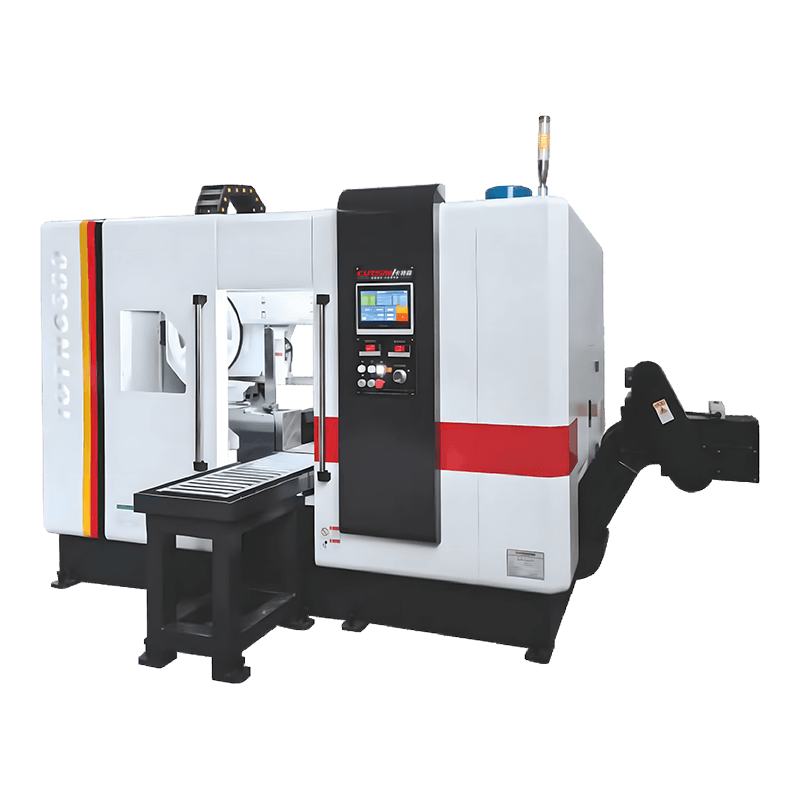
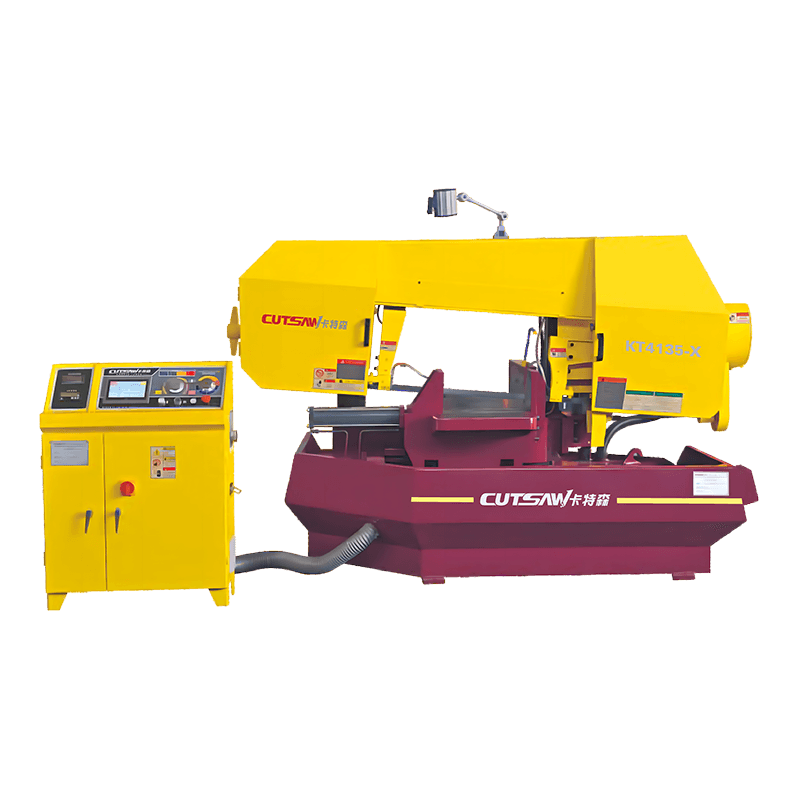
- Horizontal band saw machines — Almost universally equipped with flood coolant systems, as they are purpose-built for cutting metal bars, billets, and structural profiles in workshops and fabrication facilities.
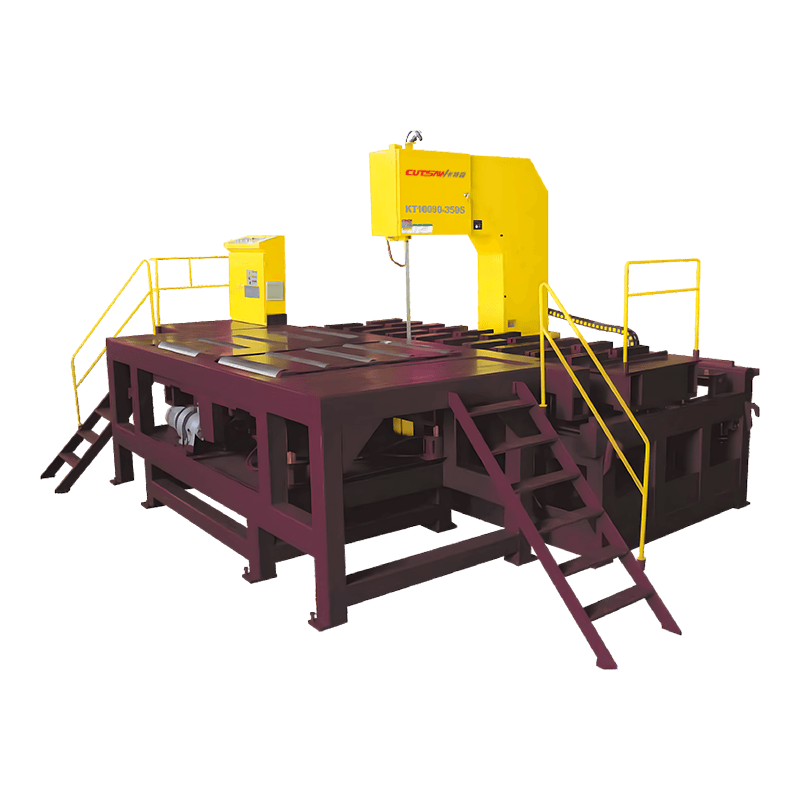
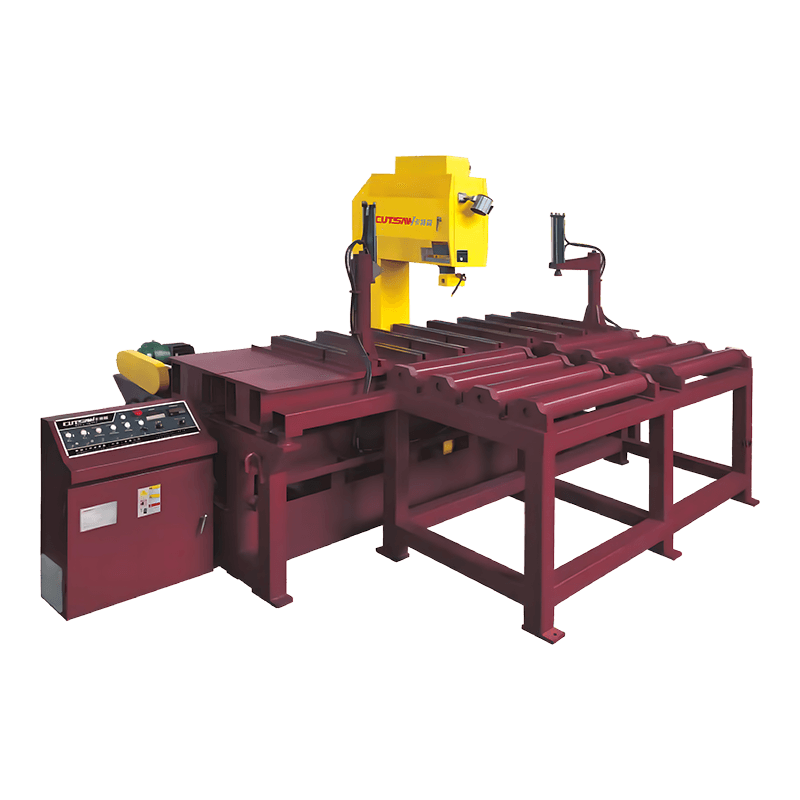
- Vertical metal-cutting band saw machines — Commonly include mist or drip lubrication systems, especially on models marketed for metal fabrication and tool rooms.
- Woodworking-only band saw machines — Do not include coolant systems and are not designed for metal cutting. Using coolant on these machines can damage the blade guides, bearings, and drive components.
- Dual-purpose (wood and metal) band saw machines — May offer optional or retrofit-compatible coolant attachments, but users should verify compatibility with the manufacturer before installation.
Recommended Cutting Fluids for Band Saw Machines in Metal Applications
Selecting the right cutting fluid for your band saw machine is as important as having the delivery system itself. Using an incompatible fluid can cause machine corrosion, fluid foaming, or inadequate lubrication. Below are commonly recommended fluid types by material:
- Carbon and alloy steel: Water-soluble emulsion coolants at a 5–8% concentration are standard. Brands like Castrol Hysol or Blaser Swisslube B-Cool are widely used in production environments.
- Stainless steel: High-sulfur or extreme-pressure (EP) cutting oils are preferred to manage the material's work-hardening tendency.
- Aluminum: Kerosene-based fluids or synthetic coolants at low concentration (3–5%) prevent material buildup on the blade teeth.
- Titanium and exotic alloys: Undiluted straight cutting oils with high EP additives are recommended due to the material's extreme heat generation during cutting.
Always consult the band saw machine manufacturer's guidelines before selecting a fluid, as some machine components — particularly rubber seals, painted surfaces, and guide inserts — may be incompatible with certain chemical formulations.
Maintenance Requirements for Coolant Systems on Band Saw Machines
A coolant delivery system on a band saw machine requires regular maintenance to remain effective and hygienic. Neglected coolant systems can become a source of bacterial growth, foul odors, and machine corrosion. Key maintenance tasks include:
- Check coolant concentration weekly using a refractometer to ensure the fluid remains within the manufacturer's recommended range (typically 5–10% for emulsion coolants).
- Clean and replace the coolant tank every 3 to 6 months, or sooner if bacterial contamination (indicated by sour smell or discoloration) is detected.
- Inspect and clear the pump strainer and nozzle monthly to prevent blockages from swarf and chip accumulation.
- Monitor coolant pH levels regularly — a pH below 8.5 can lead to machine component corrosion and reduced biocidal effectiveness.
- Verify nozzle alignment before each production run to ensure coolant is directed precisely at the blade-workpiece contact zone.
Can You Retrofit a Coolant System onto an Existing Band Saw Machine?
In many cases a coolant or lubrication system can be retrofitted onto a band saw machine that was not originally equipped with one — provided the machine is structurally designed for metal cutting. Aftermarket coolant kits are available from suppliers such as Koolmist, Noga, and various OEM parts manufacturers. A basic retrofit kit typically includes a small pump, a reservoir tank, flexible nozzle tubing, and mounting hardware, with costs ranging from $50 to $300 USD depending on system complexity.
Before retrofitting, confirm that the machine's work area has a coolant tray or chip tray capable of collecting and draining fluid, and that the electrical system can accommodate the additional pump load. For machines not designed for wet cutting — particularly those with exposed wooden components or unsealed bearings — retrofitting a coolant system is not advisable and may void the manufacturer's warranty.