English
 русский
 简体中文
简体中文


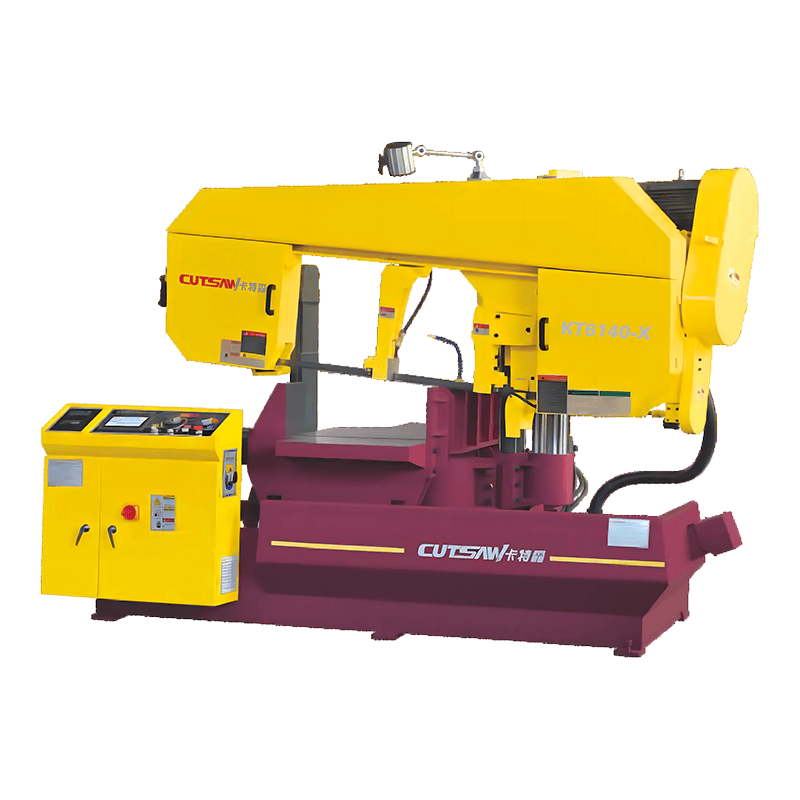
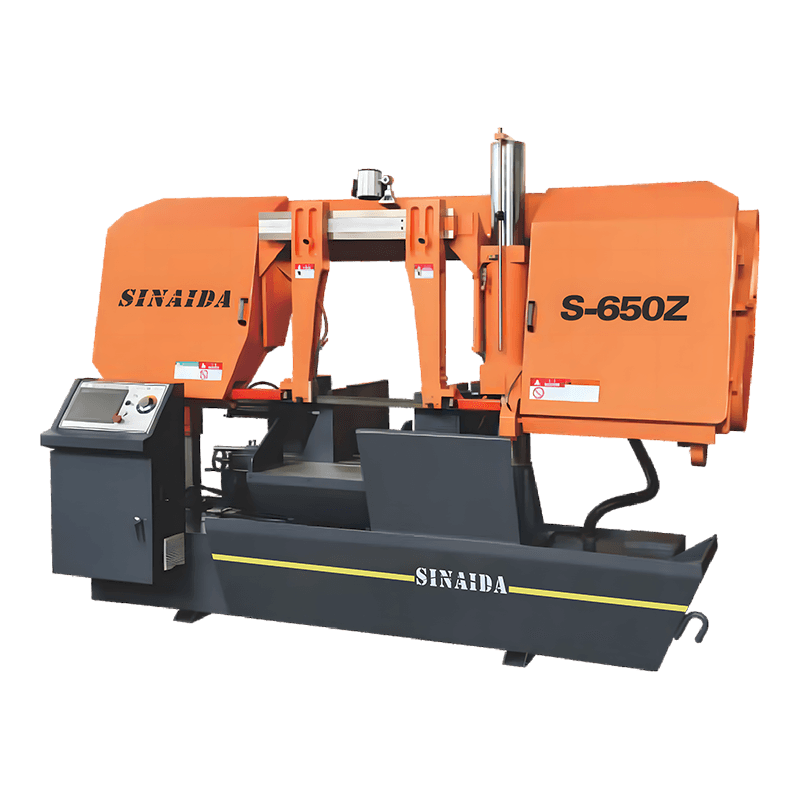
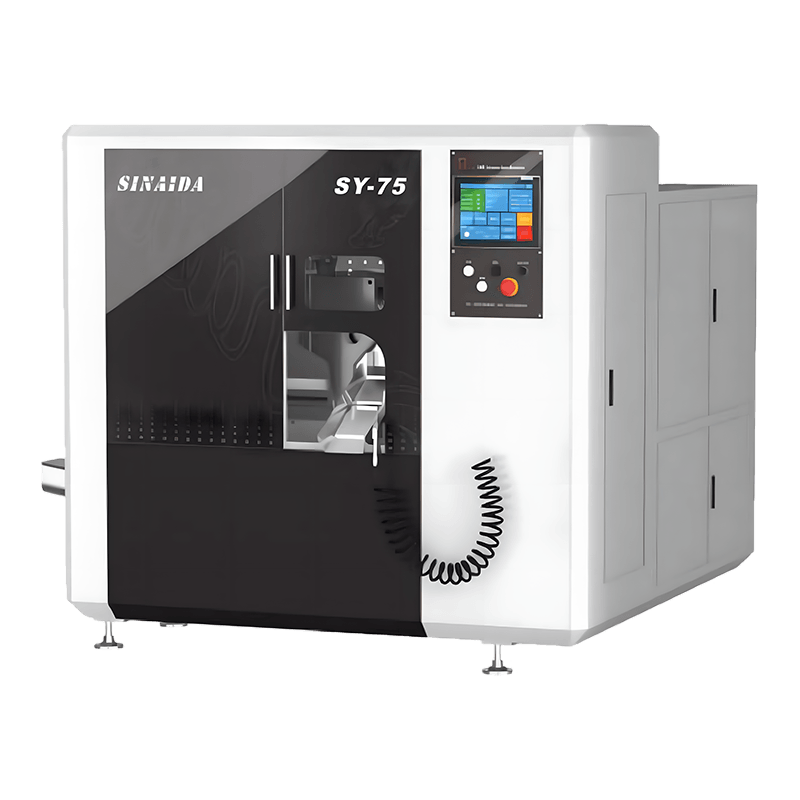
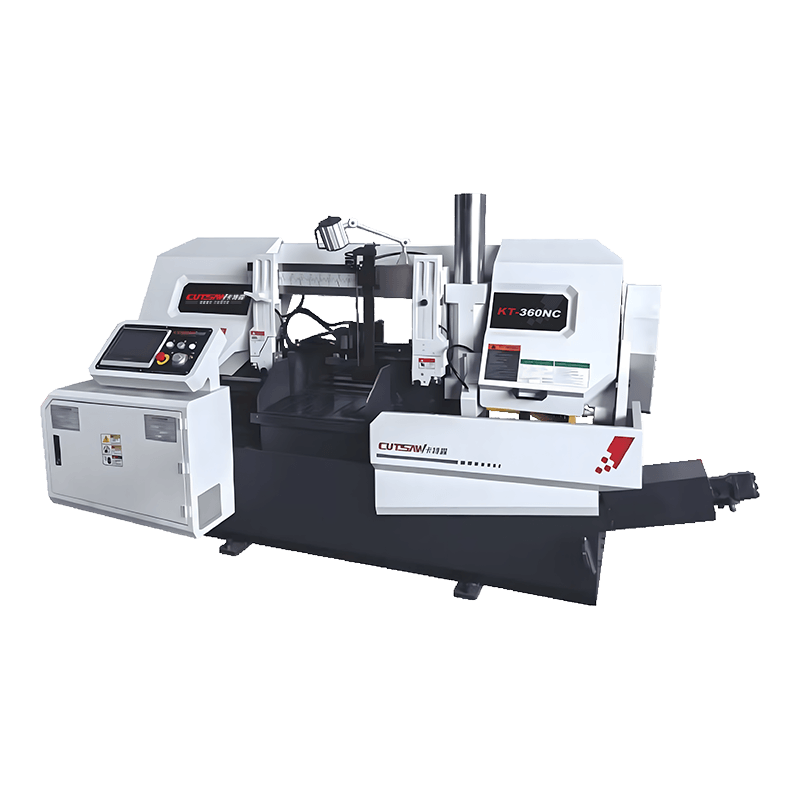
The portability and space efficiency of an Angle Sawing Machine depend largely on its type, but in general, most industrial models are moderately space-efficient yet only semi-portable. Compact or benchtop versions of an Angle Sawing Machine can occupy as little as 1–2 square meters and may include wheels for mobility, while large industrial machines often require 5–10 square meters of dedicated floor space and are designed for fixed installation.
For users prioritizing mobility, lightweight or mobile-base Rotate Band Saw Machines can offer practical alternatives, especially when cutting long metal profiles on-site. However, for high-capacity cutting tasks, space efficiency is typically secondary to stability and precision.
Types of Angle Sawing Machine and Their Portability
The portability of an Angle Sawing Machine varies significantly depending on its configuration. Understanding these categories helps users choose the right model for their workspace or workshop.
Benchtop and Compact Models
- Typically weigh between 50–150 kg
- Can be placed on workbenches or small stands
- Often portable with two operators or wheeled bases, making it easy to reposition an Angle Sawing Machine or a small Rotate Band Saw Machine
Floor-Standing Industrial Models
- Weigh from 300 kg to over 1,000 kg
- Require permanent installation
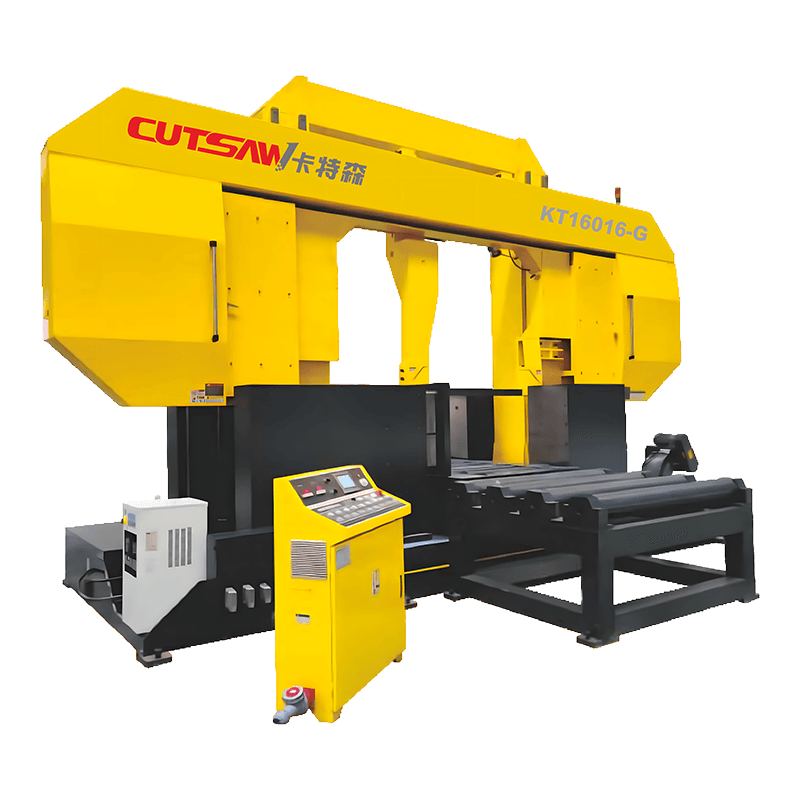
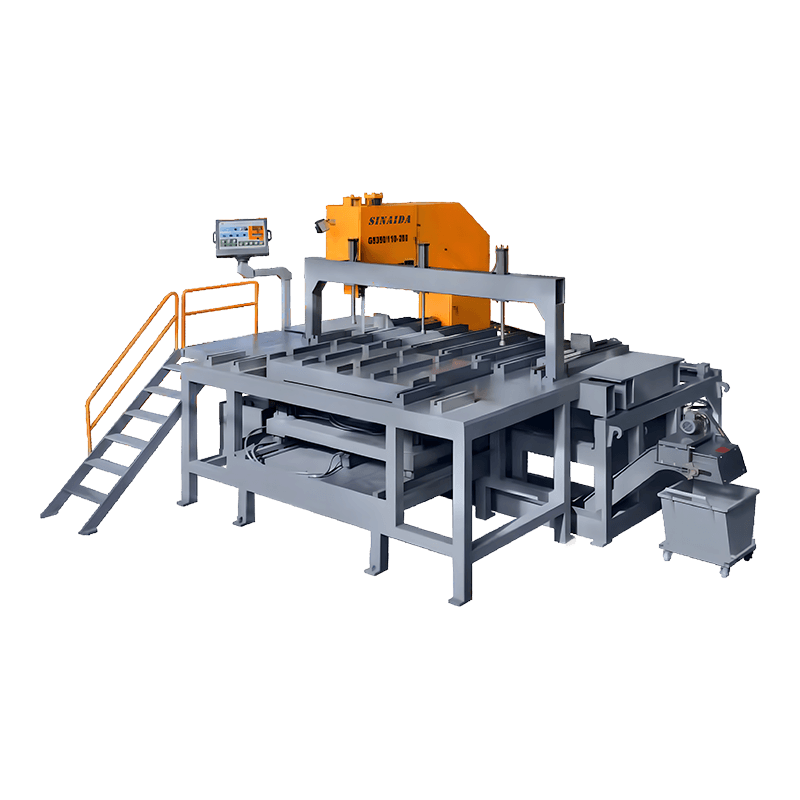
- Limited mobility, often moved only during relocation; these include large-scale Rotate Band Saw Machines designed for continuous production
Conclusion: Smaller machines, whether an Angle Sawing Machine or a portable Rotate Band Saw Machine, offer flexibility, while larger machines prioritize performance and durability over portability.
Space Requirements of an Angle Sawing Machine
Space efficiency is a critical factor when integrating an Angle Sawing Machine into a workshop. The total space requirement includes not only the machine footprint but also operational clearance.
| Machine Type | Footprint | Operational Space | Mobility |
|---|---|---|---|
| Benchtop | 0.5–1 m² | 1–2 m² | High |
| Mid-size Floor Model | 2–4 m² | 4–6 m² | Moderate |
| Heavy Industrial | 5–8 m² | 8–12 m² | Low |
Key Insight: The operational space often doubles the footprint due to material handling, safety clearance, and operator movement, whether using an Angle Sawing Machine or a Rotate Band Saw Machine.
Factors Affecting Portability and Space Efficiency
Several design and operational factors determine how portable and space-efficient an Angle Sawing Machine or a Rotate Band Saw Machine is.
- Machine Weight: Heavier machines offer stability but reduce portability
- Base Design: Machines with wheels or modular bases improve mobility
- Material Length Handling: Longer materials require extended infeed and outfeed space
- Automation Features: CNC or automated feeding systems increase space requirements
- Power and Installation Needs: Fixed wiring and coolant systems reduce mobility
Practical Example: A CNC Angle Sawing Machine with automatic feeding may require up to 30% more space than a manual Rotate Band Saw Machine due to additional components.