English
 русский
 简体中文
简体中文


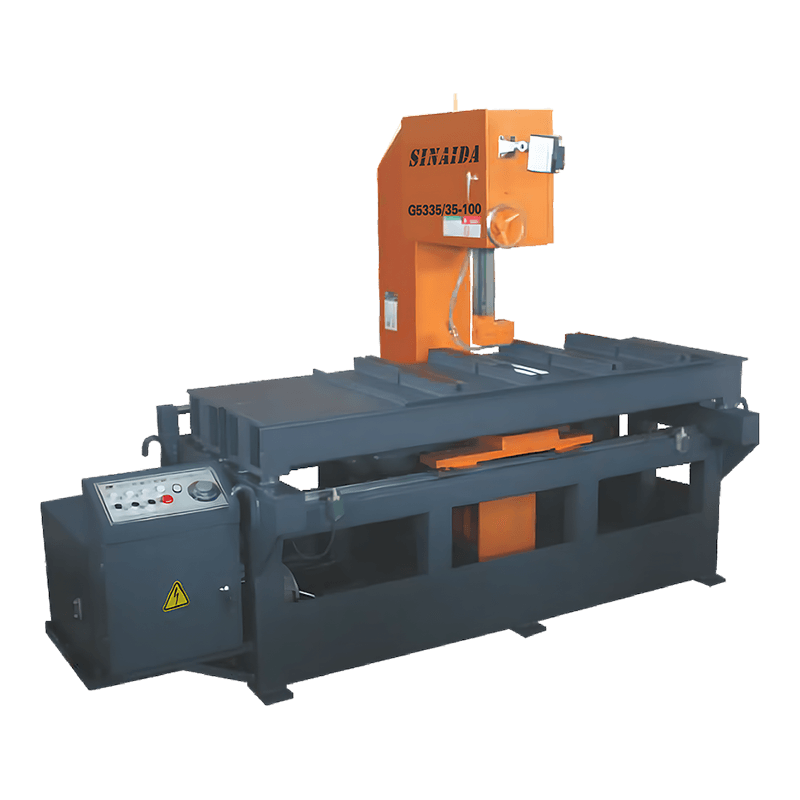
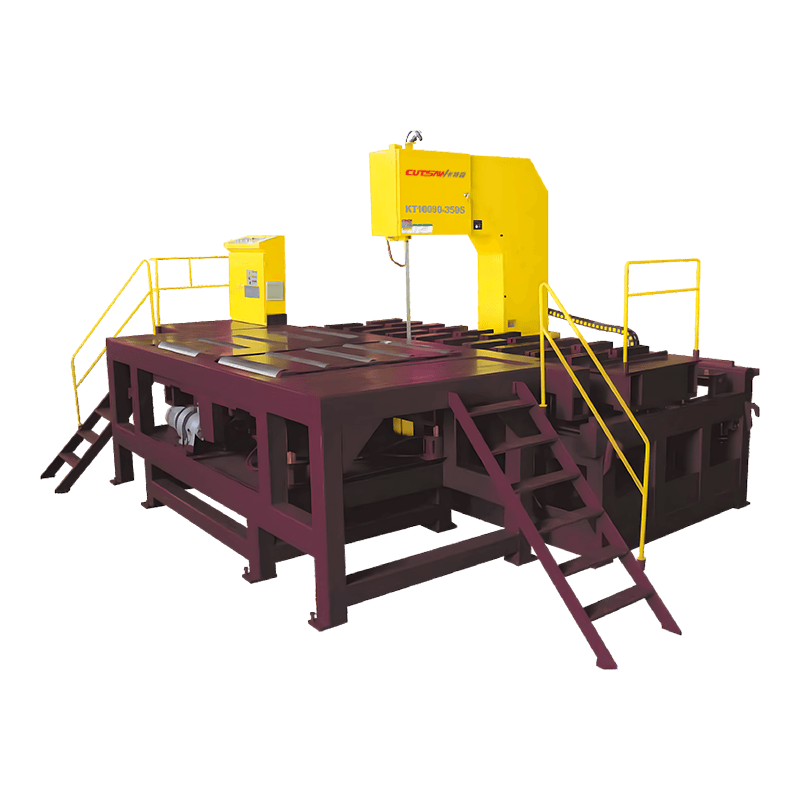
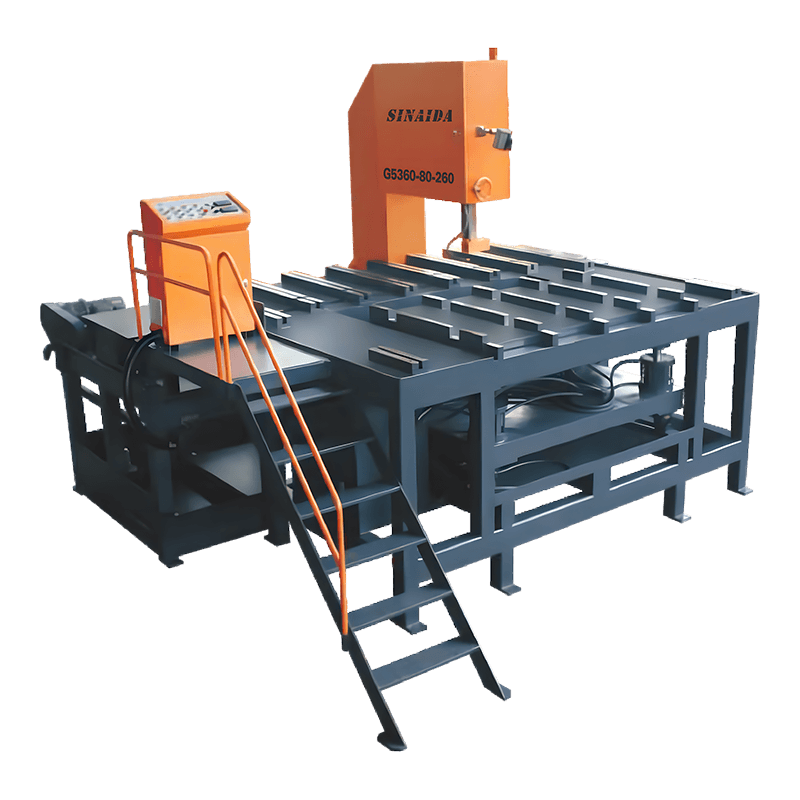
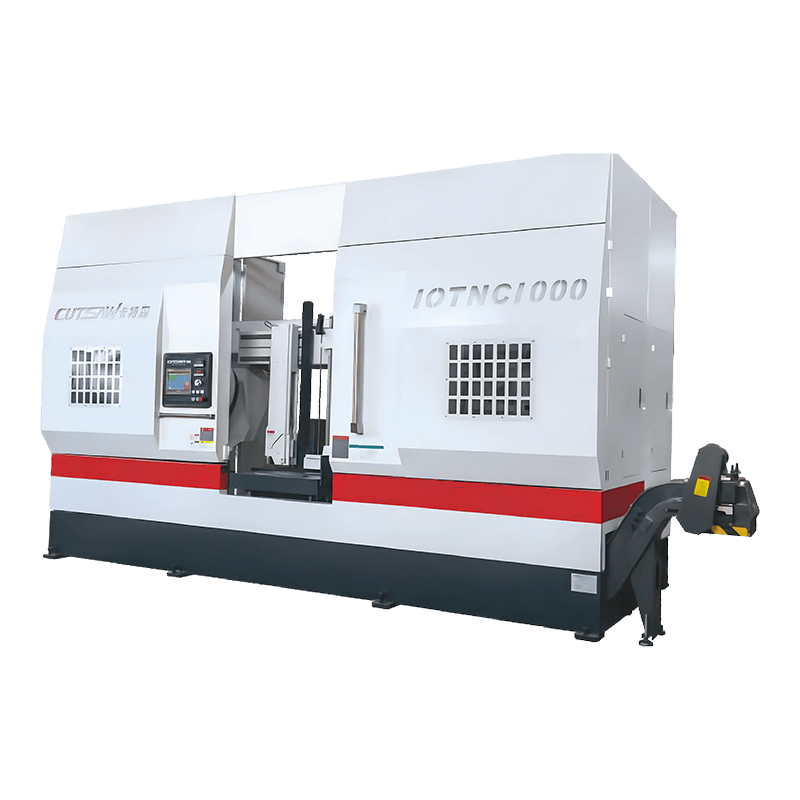
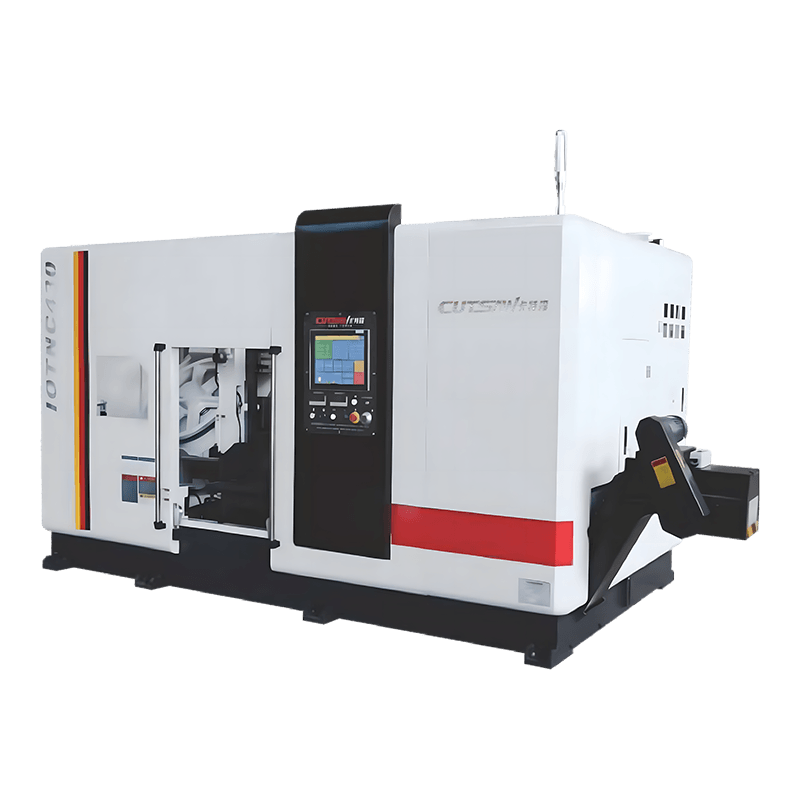
The blade speed control in a Vertical Band Sawing Machine directly determines both cutting precision and operational efficiency. Optimal blade speed ensures clean cuts, reduced tool wear, improved surface finish, and higher productivity. Conversely, incorrect speed settings can lead to blade damage, poor cut quality, excessive heat generation, and reduced machine lifespan. Therefore, selecting and adjusting the correct blade speed based on material type, thickness, and cutting conditions is essential for achieving consistent and efficient results.
Understanding Blade Speed in a Vertical Band Sawing Machine
Blade speed refers to the rate at which the saw blade moves across the material, typically measured in meters per minute (m/min) or feet per minute (ft/min). In a Vertical Band Sawing Machine, blade speed is adjustable to accommodate different materials such as steel, aluminum, plastics, and composites.
For example, cutting mild steel may require a blade speed between 20–80 m/min, while aluminum may require speeds up to 300 m/min. This variation ensures that the cutting process remains efficient without compromising blade integrity or cut accuracy.
Impact on Cutting Precision
Surface Finish Quality
Proper blade speed control minimizes vibrations and heat buildup, resulting in smoother surface finishes. When the speed is too high, it can cause rough edges, while too low a speed may lead to uneven cuts.
Dimensional Accuracy
Maintaining appropriate blade speed helps the blade follow the intended cutting path with minimal deviation. This improves dimensional accuracy, especially in precision manufacturing applications where tolerances are tight.
Blade Stability
Stable blade operation reduces wobbling and deflection. A properly adjusted Vertical Band Sawing Machine ensures consistent blade tracking, which is critical for achieving repeatable precision cuts.
Impact on Cutting Efficiency
Material Removal Rate
Higher blade speeds generally increase the material removal rate, allowing faster cutting cycles. However, exceeding optimal speed limits can reduce efficiency due to overheating and premature blade wear.
Tool Life and Downtime
Correct blade speed reduces wear and extends blade life. For instance, running a blade at the recommended speed can increase tool life by up to 30–50%, reducing downtime for blade replacement.
Energy Consumption
Efficient blade speed settings help optimize energy usage. Operating at unnecessarily high speeds increases power consumption without proportional gains in productivity.
Recommended Blade Speed Ranges by Material
| Material Type | Recommended Blade Speed (m/min) |
|---|---|
| Mild Steel | 20 – 80 |
| Stainless Steel | 10 – 50 |
| Aluminum | 200 – 300 |
| Plastics | 150 – 400 |
Factors Influencing Blade Speed Selection
- Material hardness and tensile strength
- Material thickness and cross-sectional area
- Blade type and tooth geometry
- Cooling and lubrication conditions
- Machine power and rigidity of the Vertical Band Sawing Machine
Practical Tips for Optimizing Blade Speed
- Always start with manufacturer-recommended blade speed settings for your Vertical Band Sawing Machine.
- Adjust speed gradually when switching between different materials.
- Monitor chip formation—proper chips indicate correct speed and feed balance.
- Use coolant systems effectively to reduce heat at higher speeds.
Common Mistakes to Avoid
- Running the Vertical Band Sawing Machine at excessively high speeds for hard materials.
- Ignoring blade wear signs and continuing with improper speed settings.
- Failing to match blade speed with feed rate, leading to inefficient cutting.
Final Thoughts
Blade speed control is a critical parameter in the operation of a Vertical Band Sawing Machine. It influences not only the precision of the cut but also the efficiency, cost-effectiveness, and longevity of the equipment. By understanding material properties, following recommended guidelines, and continuously optimizing operating conditions, users can achieve consistent high-quality cuts with maximum operational efficiency.